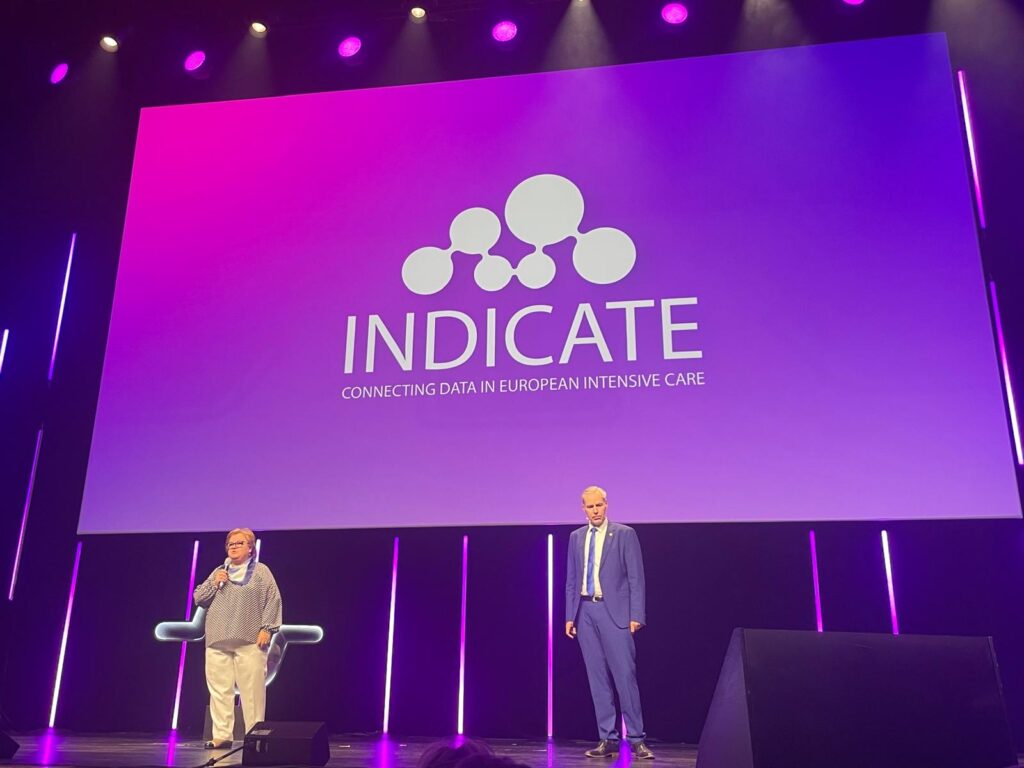
Author: Irene Gebuis

Aliza Bos

Logo Erasmus Universitair Medical Center Rotterdam
Position: Project Manager INDICATE

Who am I?

I am originally from California and have been living in the Netherlands for the past two years. My academic background is in political science and public policy, and I completed my Master’s in Public Policy and Governance at the University of Amsterdam. Throughout my studies and professional experience, I have been driven by a strong commitment to social justice, equitable access to public services, and the belief that healthcare systems should work for everyone. This combination of international experience and policy expertise shapes my approach to supporting large, collaborative European projects.

What do I do in INDICATE?

I’m one of the Project Managers for INDICATE, and I help keep the consortium running smoothly from day to day. I coordinate activities across the project, keep an eye on timelines, and make sure our deliverables are completed on time and to a good standard. I work closely with the project’s Principal Investigators, Michel van Genderen and Christian Jung, supporting them in their role as coordinators, and I collaborate with Jan van den Brand who leads the scientific and technical direction of INDICATE.

I’m also one of the main contact points for our consortium partners. Whether someone has a quick question or needs to be connected with the right expert, I make sure they get the support they need. Alongside that, I handle our communication with the European Commission, keep track of our obligations, and make sure all the required reporting and documentation, including technical, administrative, and financial information, is organized and submitted properly. Additionally, I’ve been working on the evaluation of all international legal regulations and how INDICATE stays compliant with these rules. 

What motivates me to be part of INDICATE?

I have deep personal motivation for working in the healthcare domain, and INDICATE offers a unique opportunity to contribute to a project that will ultimately improve patient journeys and strengthen healthcare systems across Europe. The project’s mission, which focuses on enabling safe, trustworthy, and interoperable use of health data for diagnostics and decision support, aligns closely with my passion for fairness and healthcare equity.

Being part of INDICATE means contributing to a future where healthcare is more responsive, more data-driven, and more accessible for all people. The idea that our work can support better clinical outcomes, reduce structural inequalities, and empower both patients and clinicians inspires me every day.

What do I expect to accomplish within INDICATE?

My goal is to help ensure that the INDICATE platform becomes a resource that benefits all European citizens, regardless of their nationality, background, or the country where they receive care. I want to contribute to building a system that embeds inclusivity from the start, supports minority and underserved communities, and reflects the rich diversity of Europe’s population in its data and design.

Beyond this, I hope to help create project structures and workflows that make collaboration easier across the consortium, leading to a smooth implementation of the INDICATE blueprint, the demonstrators, and the long-term sustainability model.

How does my background or expertise contribute to INDICATE’s goals?

The field of AI-enabled healthcare is rapidly evolving, and it requires careful navigation of emerging regulations, ethical guidelines, and governance frameworks. My policy and legal background helps me interpret complex documentation, ranging from EU digital health regulations to AI Act requirements, and translate these into practical steps for compliance within the project.

Additionally, my experience in public governance and stakeholder coordination supports INDICATE’s emphasis on trust, transparency, and responsible innovation. I bring an ability to bridge legal and organizational perspectives, which is essential for a project that must integrate scientific innovation with robust governance and real-world implementation.

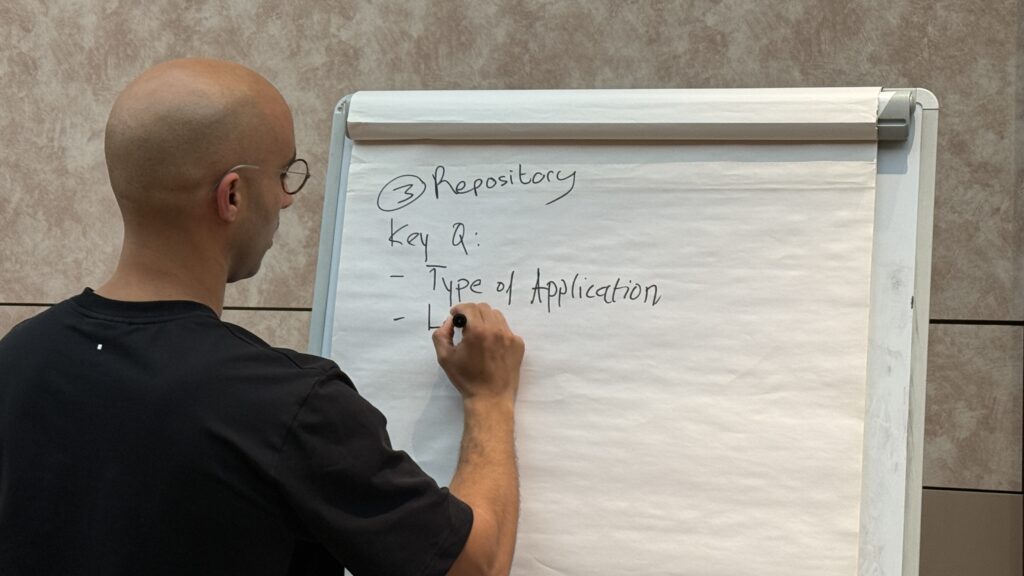
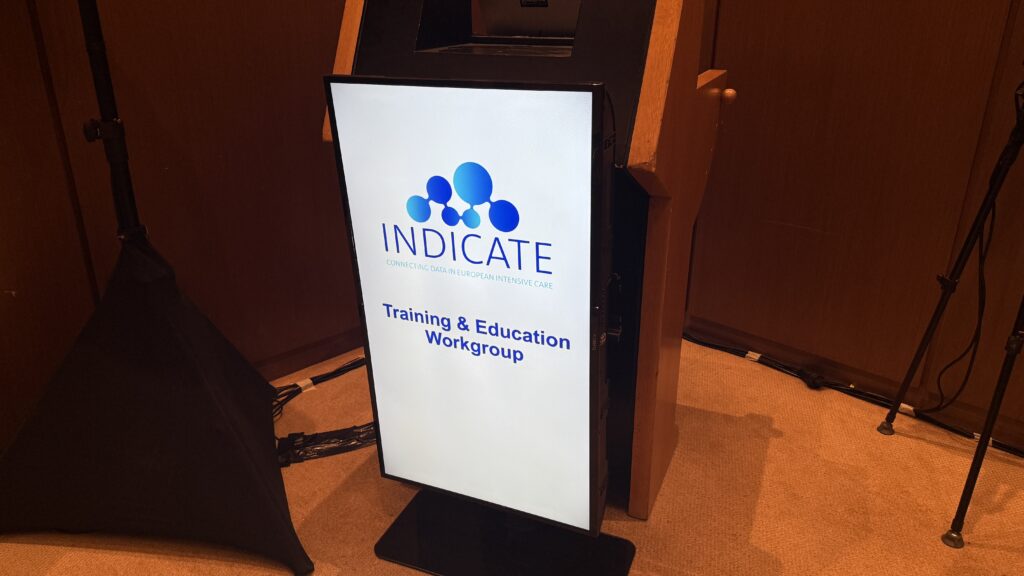
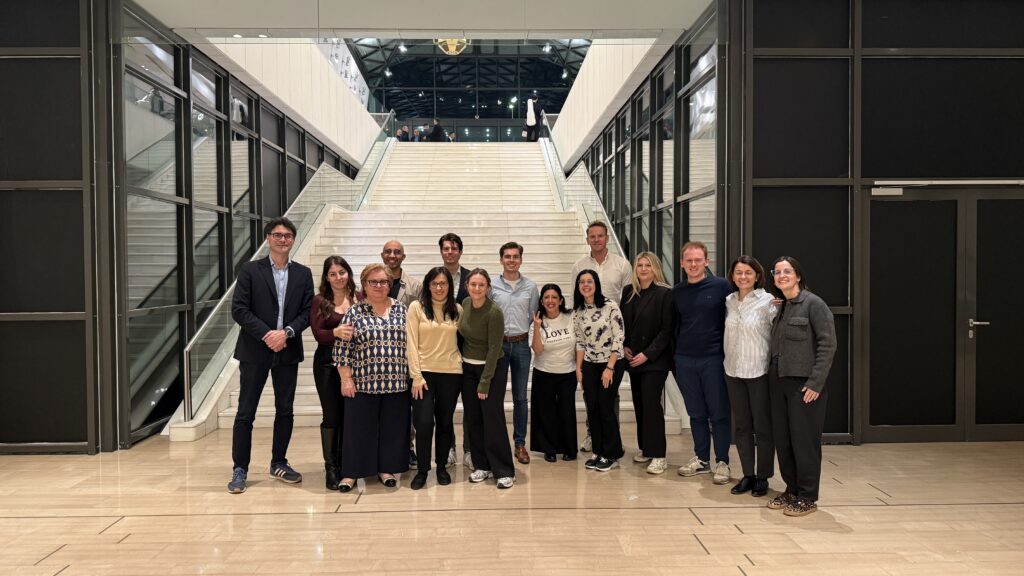
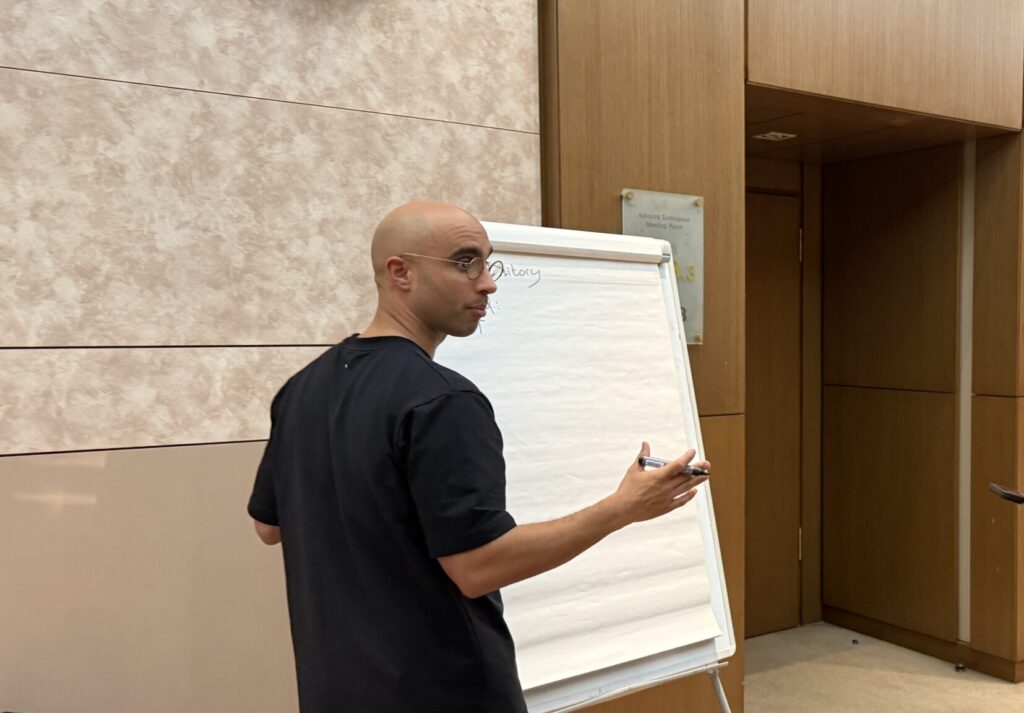
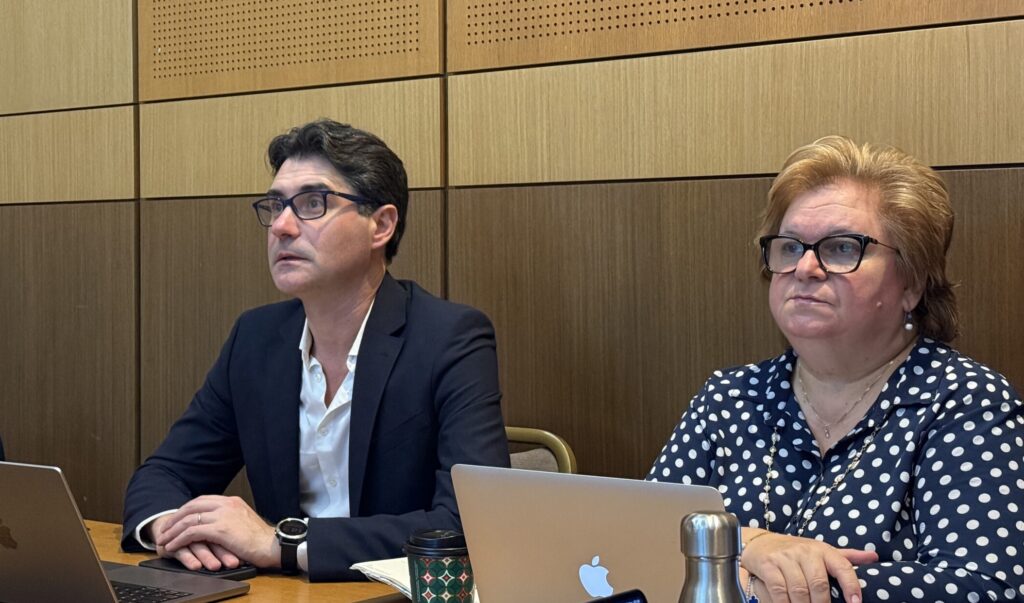
Two days of collaboration, learning and ACTION! Training & Education Workgroup in Athens, Greece

On 25th and 26th November, the INDICATE Training & Education Workgroup gathered in Athens for a productive two-day workshop focused on advancing activities according to the ADDIE model (Analysis–Design–Development–Implementation–Evaluation) such as needs assessment, content and resource design, selection of methods and activities according to the expected outcomes.

These steps are essential building blocks for developing specialised and targeted education tracks that will support successful implementation and use of the INDICATE federated infrastructure for ICU data. The tracks are developed for clinicians, researchers, innovators, data providers, data users, service providers and infrastructure providers across Europe.

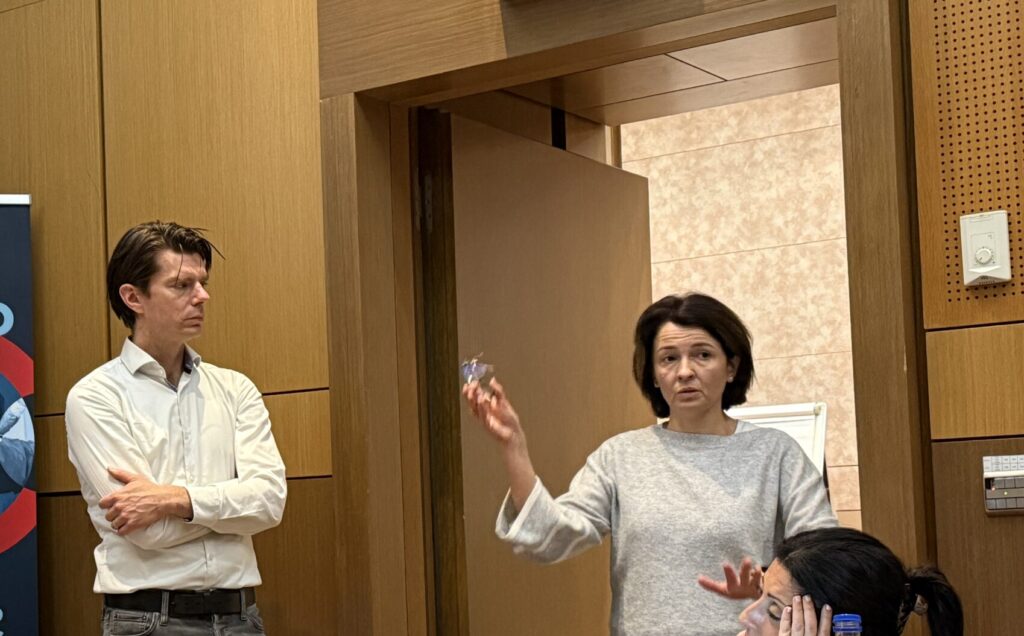
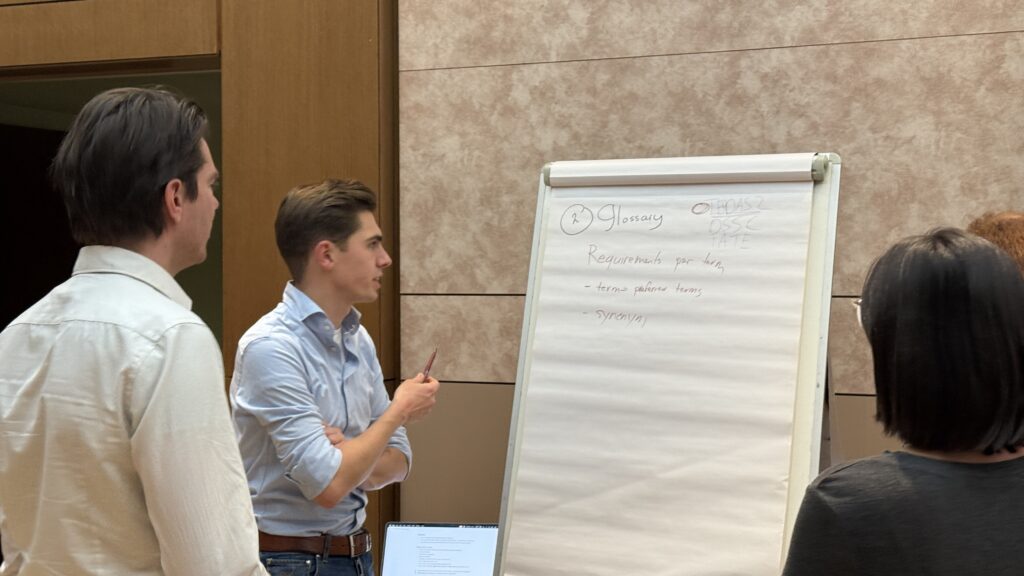
The meeting opened with a roundtable introduction, where all attendees briefly presented themselves, setting the stage for cross-disciplinary collaboration. Day one featured a showcase of the INDICATE knowledge platform, a review of the needs-assessment activities, and the breakout sessions of the three working groups.

Day two kicked off with great energy, as the groups shared their initial findings and continued shaping key priorities for the first topics and educational activities to be developed and delivered by June 2026. The sessions concluded with a concrete planning of the next steps for the Training & Education Workgroup.

Key highlights:

  • Productive alignment on the needs assessment activities, ensuring the educational solutions address learner requirements.
  • Strong collective commitment to advancing the development of critical resources for the INDICATE community such as a common glossary and repository, ensuring alignment on definitions and evidence-based insights that reflect the need for education on AI-driven critical care across Europe.
  • Clear prioritisation of educational topics on the Legal Framework and Data Models, expected outcomes, methods, activities and timeline to take the next steps in developing education tracks and training materials.

A big thank you to Maria Theodorakopoulou and Despina Nikolopoulou (HSICM) for hosting us these two days!

And also thank you to all who joined! Michel van Genderen (INDICATE PI), Jan van den Brand (Erasmus MC) Joel Alexandre (ESICM), Maurizio Cecconi (ESICM), Maria Theodorakopoulou (HSICM), Maarten Ligtenberg (Cradeq), Melania Istrate (ESICM), Aliza Bos (Erasmus MC), Elisa Vera (ESICM), Despina Nikolopoulou (HSICM), Giovanna Mercurio (FPG), Celia Alvarez (SAS), Bert Cappelle (UZGhent), Mark Driessen (KPMG) and Philogirl.

INDICATE Newsletter October 2025

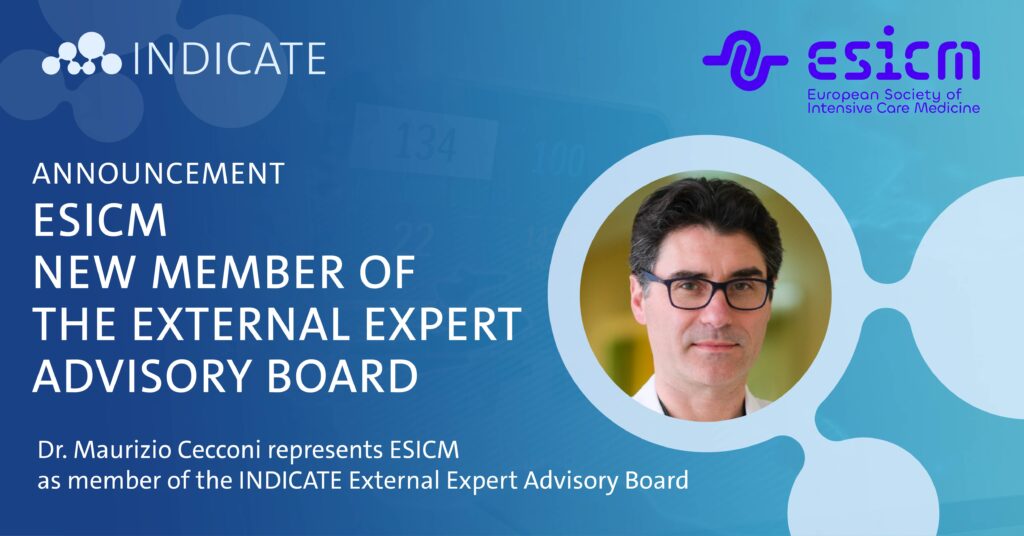
ESICM: New member of the External Expert Advisory Board

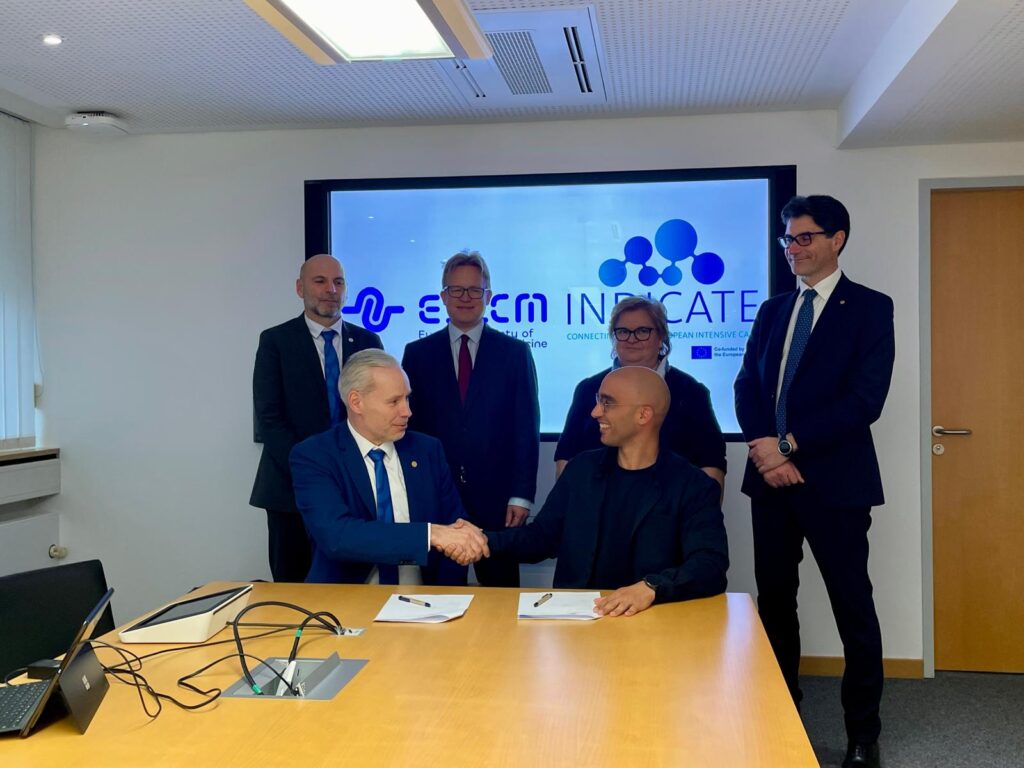
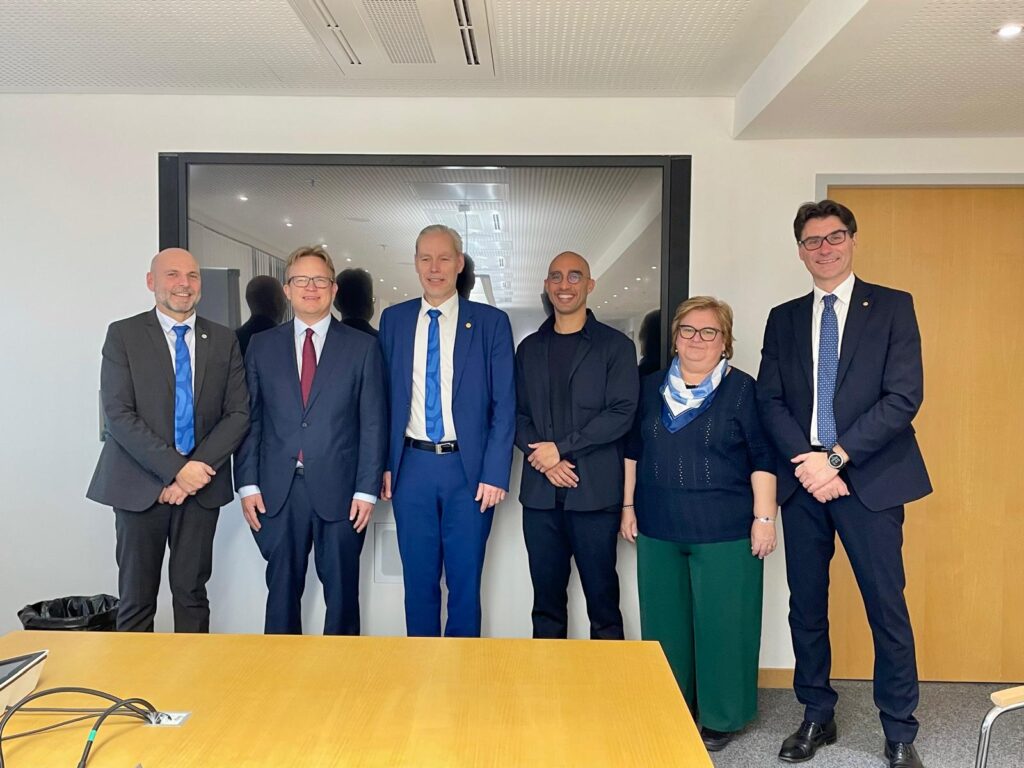
We are pleased to welcome the European Society of Intensive Care Medicine (ESICM) to the External Expert Advisory Board of the INDICATE Project!

This collaboration strengthens our shared European reach and accelerates progress toward secure, interoperable ICU data sharing, fully aligned with the ambition of the European Health Data Space (EHDS).

ESICM will be represented by Maurizio Cecconi in the External Expert Advisory Board of INDICATE.


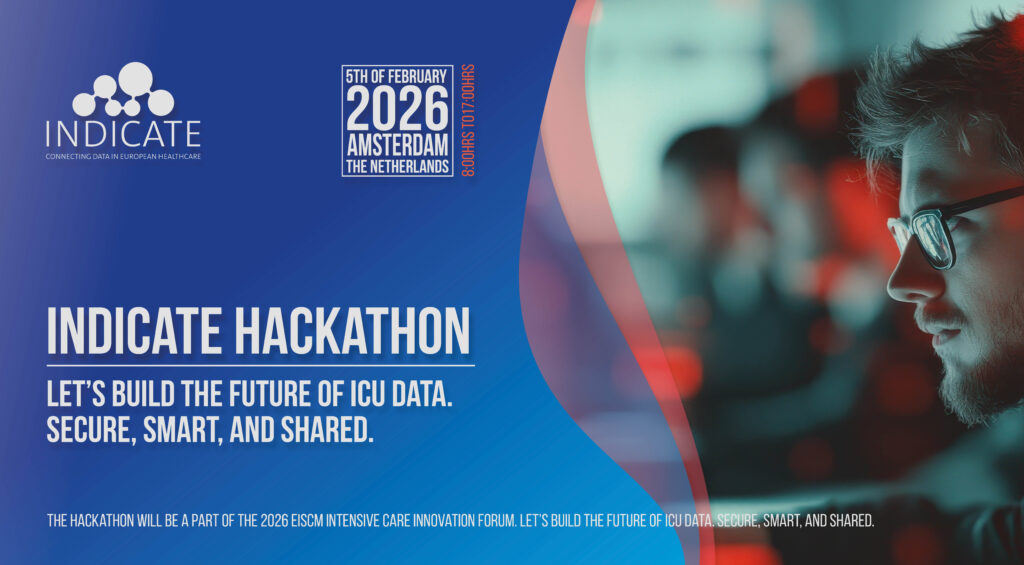
Our first INDICATE HACKATHON
5 February 2026

Step into the future of Intensive Care innovation by participating in our Hackathon on ICU federated data usage. This dynamic event invites ICU clinicians, engineers, data scientists, and startups from the INDICATE and EIT Health network to co-create a vision for a global, real-time federated data infrastructure.

Together, we’ll explore how to securely link ICU data across national and EU systems using anonymization techniques and federated learning. While ensuring full compliance with EU regulations and the AI Act. Participants will gain hands-on experience implementing Equitable AI Models Across Diverse European ICU Populations​ and help us build the Value-based proposition of Federated ICU Data Usage, guided by expert mentors. Expect rich cross-pollination of ideas and help shape ethical frameworks for deploying clinical and research algorithms.

Join us for this collaborative opportunity to discuss how to better implement the ICU federated data infrastructure on Thursday 5th of February from 8:00hrs to17:00hrs in Amsterdam. The Hackathon will be a part of the 2026 ESICM Intensive Care Innovation Forum. Let’s build the future of ICU data. Secure, smart, and shared.


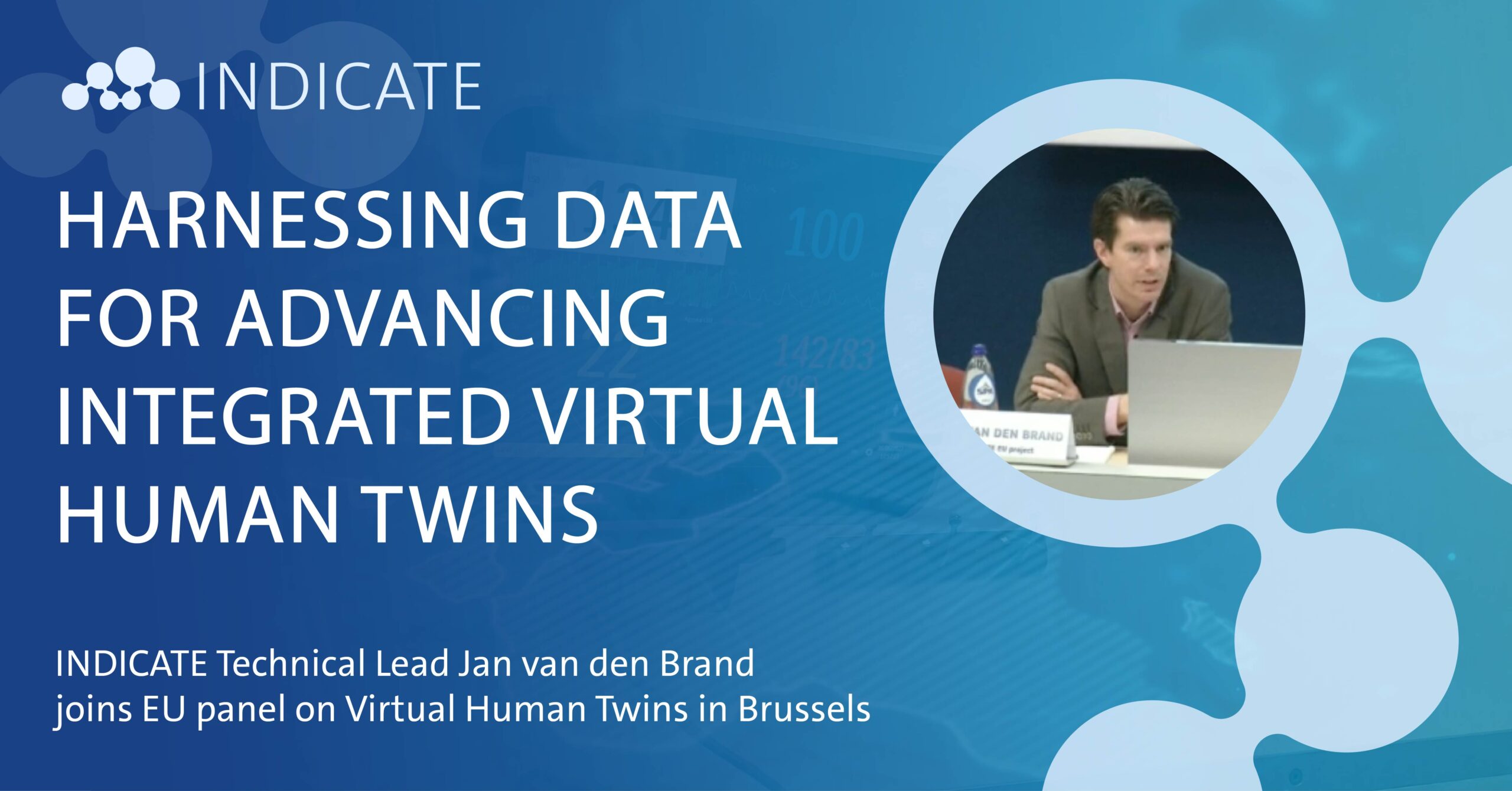
INDICATE Technical Lead Jan van den Brand joins EU panel on Virtual Human Twins in Brussels

The high-level event on Virtual Human Twins (VHTs), held on the 21st of October in Brussels, Belgium, brought together leading voices from the European Commission, academia, industry, and patient organisations, all united by a shared goal: accelerating innovation in health through AI, data, and trustworthy digital ecosystems.


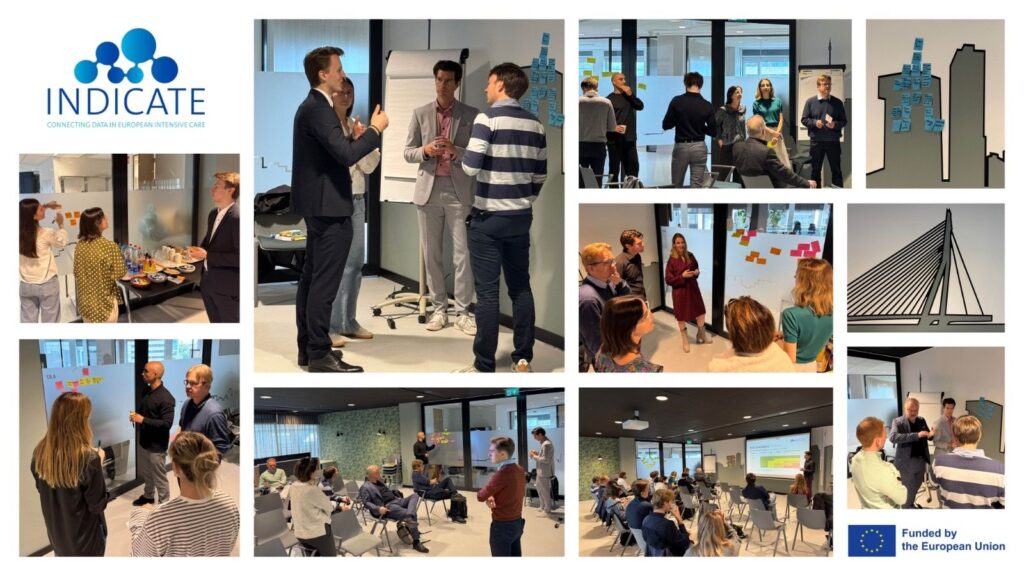
INDICATE Design Workshop in Rotterdam at KPMG

End of September: INDICATE Design Workshop in Rotterdam at KPMG. Lots of bright minds in the room thinking about how we can advance patient-centered care and promote the use of Intensive Care data by developing and implementing responsible and trustworthy AI-models.


Interview with INDICATE co-lead 
Michel van Genderen on NOS Nieuwsuur

Recently, INDICATE co-lead Michel van Genderen shared his expertise on the Dutch national news program NOS Nieuwsuur, discussing the risks associated with AI tools such as Delphi-2M, which predicts the likelihood of developing diseases.


INDICATE: What is federated data analysis?!

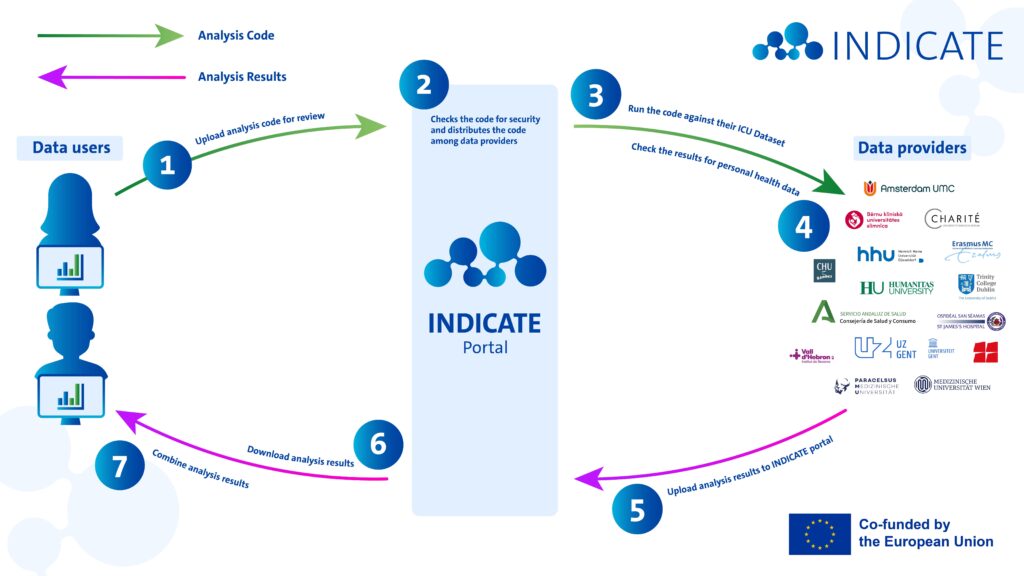
Healthcare institutions possess vast amounts of untapped data that could drive innovation and improve patient outcomes. As much as 97% of health data world-wide is not re-used. With INDICATE we aim to unlock this potential by building a federated data infrastructure for Intensive Care Units (ICUs) across Europe.

But how can you analyze data without accessing it directly? The answer lies in INDICATE’s design, specifically in its first development phase due for delivery in August 2025. 

INDICATE’s federated analysis architecture enables data users, such as researchers, innovators, and policy makers, to derive insights from ICU data across multiple institutions, regions, and European countries.

This figure is conceptual, please feel free to share any feedback or suggestions!


INDICATE: What is federated data analysis?!

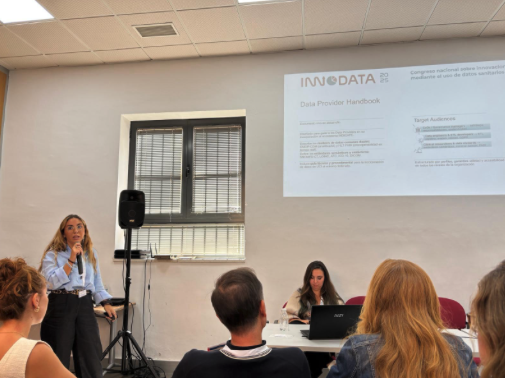
At the II National Congress on Innovation for the Advancement of Health Data Management and Evaluation (INNODATA 2025), held on 24–25 September 2025 in Seville (Spain), the Computational Health Informatics Group from the Virgen del Rocio University Hospital, as part of the Andalusian Health Service (Servicio Andaluz de Salud-SAS), presented their work on advancing federated integration of ICU data in Europe.


INDICATE Education Workshop

Date: November 25 – 26, 2025
Location: Athens, Greece


INDICATE Hackathon

Date: February 5, 2026
Time: 08:00 – 17.00
Location: Pakhuis de Zwijger, Amsterdam, The Netherlands 


Do you have a special request? Would you like to share news or a publication? Would you like to be (digitally) connected to a certain person? Did you speak or went to an event related to INDICATE or INDICATE-subjects? Please feel very welcome to share your questions or input with: info@indicate-europe.eu

When sharing your news, please make sure to attach your photos/images or figures and always make sure when people are visible, you have their permission to use the pictures.

Below with the format you can use to share your news with us: 

  • What is the purpose of your news? 
  • What title can we use?
  • Who attended (names, roles, if related to INDICATE meetings/events)?
  • What were the main topics discussed or key findings?
  • Were any follow-up actions or appointments agreed upon?
  • Is there anything special or noteworthy?

Deadline for next newsletter submissions:

  • 5 December, 2025
  • 13 February, 2026
  • 10 April, 2026
  • 12 June, 2026
  • 11 September, 2026
  • 6 November, 2026

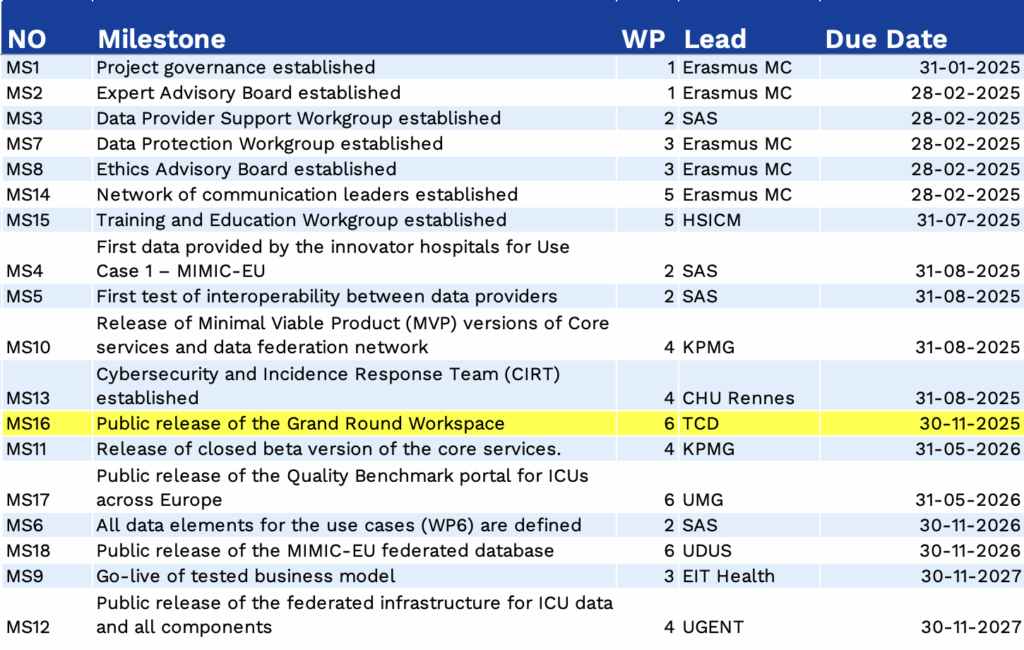
Milestones

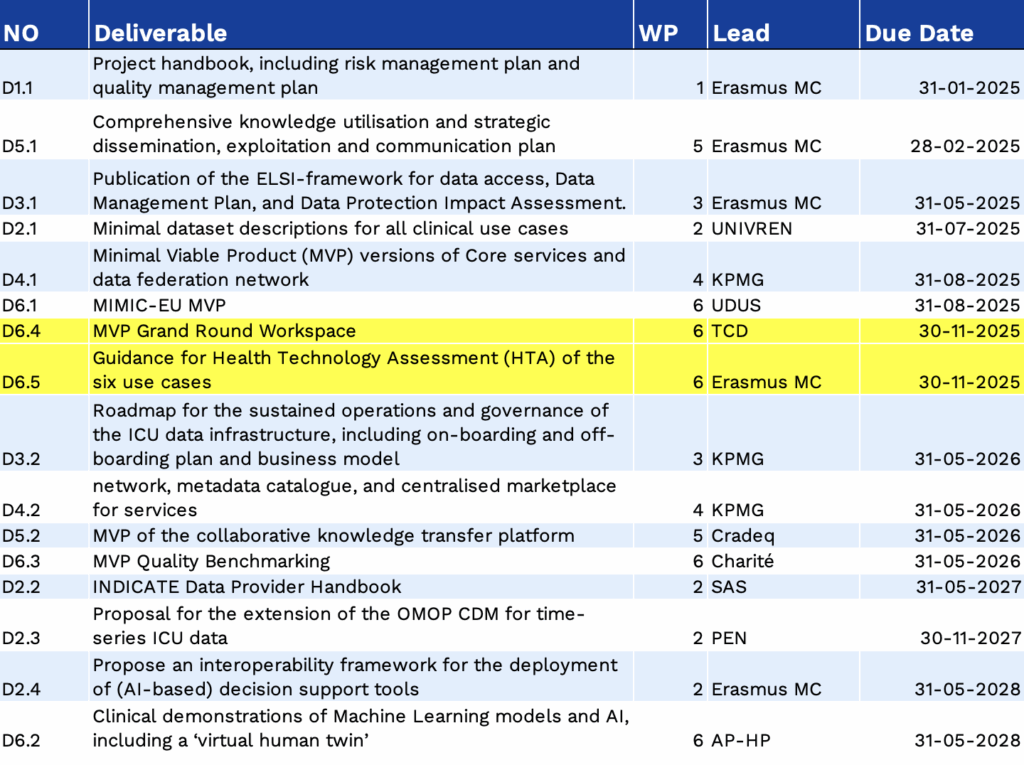
Deliverables


Michel van Genderen
Co-lead INDICATE
e: m.vangenderen@erasmusmc.nl

Christian Jung
Co-lead INDICATE
e: Christian.Jung@med.uni-duesseldorf.de

Lisanne van Prooyen Schuurman
Project Manager
e: e.vanprooyenschuurman@erasmusmc.nl

Jan van den Brand
Technical Lead
e: a.vandenbrand@erasmusmc.nl


Logo Assistance Publique Hospitaux de Paris
Bērnu klīniskā universitātes slimnīca Valsts Sia (Children’s Clinical University Hospital)
Logo Cradeq B.V.
logo Vereniging EIT Health België-Nederland
Logo Erasmus Universitair Medical Center Rotterdam
European Federation of Critical Care Nursing Association
Logo Fraunhofer Gesellschaft Zur Forderung der Angewandten Forschung
Logo Heinrich-Heine-Univeristaet Duesseldorf - universiteitsziekenhuis Dusseldorf
Logo HELLENIC SOCIETY OF INTENSIVE CARE MEDICINE
Logo Servicio Madrileno de Salud (Hospital Universitario 12 de Octubre)
Logo logo ervicio Andaluz de Salud (Virgen del Rocío University Hospital)
Logo INSTITUT CATALA DE LA SALUT
Logo INSTITUT NATIONAL DE LA SANTE ET DE LA RECHERCHE MEDICALE
Logo Region Stockholm (Karolinska University Hospital)
logo KPMG Advisory NV
Logo Medizinische Universitat Innsbruck
Logo Medizinische Universitaet Wien
Logo Paracelsus Medizinische Privatuniversitat Salzburg
Logo Sorbonne Université (INSERM-SU)
Logo Universitair Medisch Centrum Utrecht
Logo Ghent University Hospital
Logo Logo Univerisitatsmedizin Greifswald Kopperschaft Des Offentlichen Rechts
Logo Université de Rennes

Endorsed by:


Get in contact via e-mail:
Email address: info@indicate-europe.eu
Email address: support@indicate-europe.eu
Email address: indicate@erasmusmc.nl


Interview with INDICATE co-lead Michel van Genderen on NOS Nieuwsuur

AI tool predicts diseases: ‘The risk is that we might interpret it the wrong way.’

Recently, INDICATE co-lead Michel van Genderen shared his expertise on the Dutch national news program NOS Nieuwsuur, discussing the risks associated with AI tools such as Delphi-2M, which predicts the likelihood of developing diseases.

How much risk does someone have of developing a disease like cancer? Or of having a heart attack? The Delphi-2M system can predict that. But does it really help us? Or does it also come with risks?

“When I read about it, I thought: yet another prediction model. Research shows that only two percent of all AI innovations are actually used in healthcare. Innovations often don’t fit well with real-world practice,” says Michel van Genderen, internist-intensivist and co-founder of the AI ethics lab REAiHL, a collaboration between Erasmus MC and TU Delft.

Van Genderen and his colleagues advise the World Health Organization (WHO) on the use of AI in healthcare: “Embracing AI in healthcare will go wrong if there are no moral ground rules. It must be safe and ethical.”

Read the full article here (in Dutch) or watch the news item here (in Dutch). The item starts at 30:30 minutes.

Source: NOS Nieuwsuur

ESICM New member of the External Expert Advisory Board

We are pleased to welcome the European Society of Intensive Care Medicine (ESICM) to the External Expert Advisory Board of the INDICATE Project!

This collaboration strengthens our shared European reach and accelerates progress toward secure, interoperable ICU data sharing, fully aligned with the ambition of the European Health Data Space (EHDS).

Together, we aim to support Intensive Care Units across Europe in responsibly connecting data, advancing research, improving clinical decision-making, and ultimately enhancing patient care. A key element will be the development of a federated data infrastructure, enabling hospitals to collaborate without moving data outside the hospital, while maintaining privacy, trust, and local control.

ESICM will be represented by Maurizio Cecconi in the External Expert Advisory Board of INDICATE.

INDICATE Technical Lead Jan van den Brand joins EU panel on Virtual Human Twins in Brussels

The high-level event on Virtual Human Twins (VHTs), held on the 21st of October in Brussels, Belgium, brought together leading voices from the European Commission, academia, industry, and patient organisations, all united by a shared goal: accelerating innovation in health through AI, data, and trustworthy digital ecosystems.

Key takeaways:

  • Europe has the technology, talent, and ambition to lead, but success depends on access to high-quality, interoperable data. This highlights the importance of our INDICATE project, as well as other European health data initiatives such as Genome Of Europe, EUCAIM, and PHEMS, all of which strengthen the foundation for innovation.

  • Trust remains essential. It is one of the key underlying principles of the European Health Data Space (EHDS) Regulation, and aims to give individuals more control over their health data while enabling safe and secure use for research and innovation.
  • VHTs offer a unique testbed for AI in healthcare, helping translate innovation from lab to clinic.

  • Collaboration across disciplines, sectors, and borders is vital to build an inclusive, patient-centred ecosystem.
  • Robust regulatory frameworks Medical Device Regulation (MDR), In Vitro Diagnostics Regulation (IVDR), AI Act and European health data spaces will be key to scaling impact safely and responsibly.

Our technical lead of INDICATE, Jan van den Brand, had the honour to join the panel discussion on Harnessing data for advancing integrated VHTs with a focus on EU data spaces and infrastructures. He shared how our federated approach to data availability will enhance access to critical ICU population data, ensuring that valuable insights can be generated without compromising privacy or data sovereignty.

Discussions during the technical and regulatory sessions further highlighted the importance of secure data environments, data harmonisation, and clear guidance for AI-enabled research. Experts agreed that VHTs can accelerate clinical evidence generation, potentially reducing animal testing and enabling personalised care. The event concluded with a shared message: VHTs sit at the crossroads of digital, data, and health policy.

That intersection brings enormous potential, but also challenges, as it means VHTs touch upon regulatory frameworks across multiple domains. Building trust, ensuring quality, and fostering collaboration will determine how quickly Europe can turn this vision into real impact for patients.