INDICATE Newsletter March 2026

INDICATE Hackathon: Building the future of European Intensive Care Data
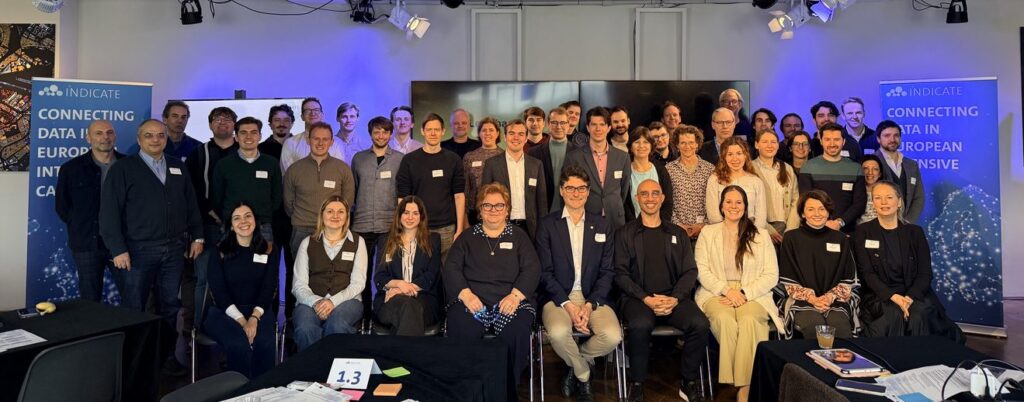
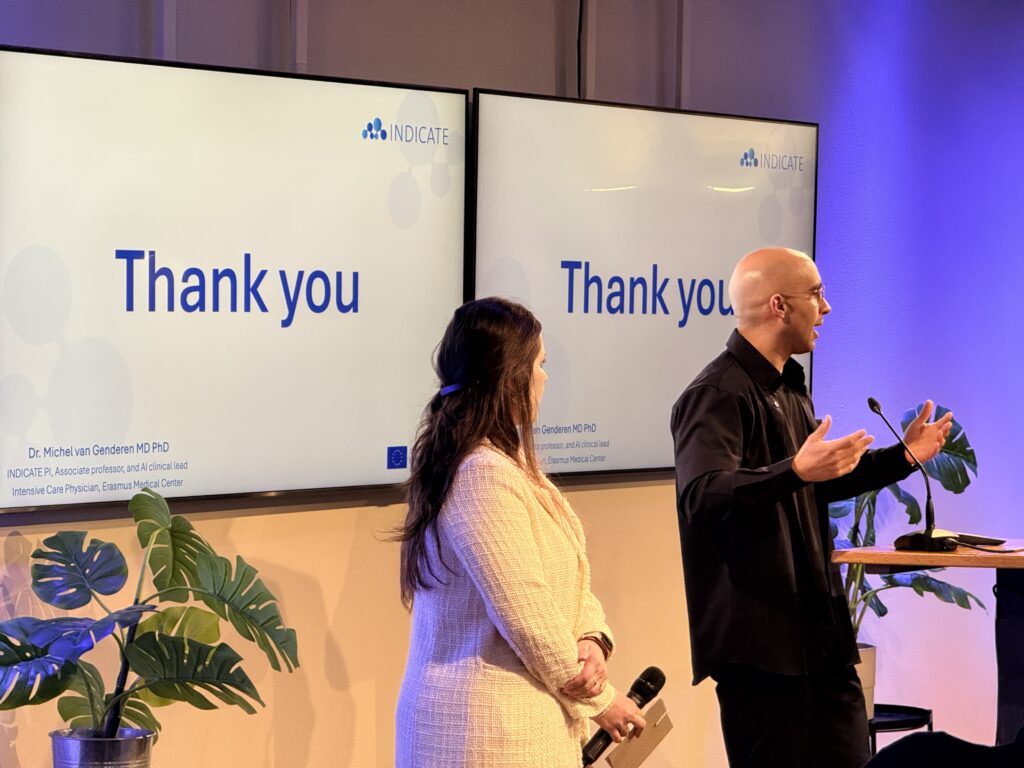
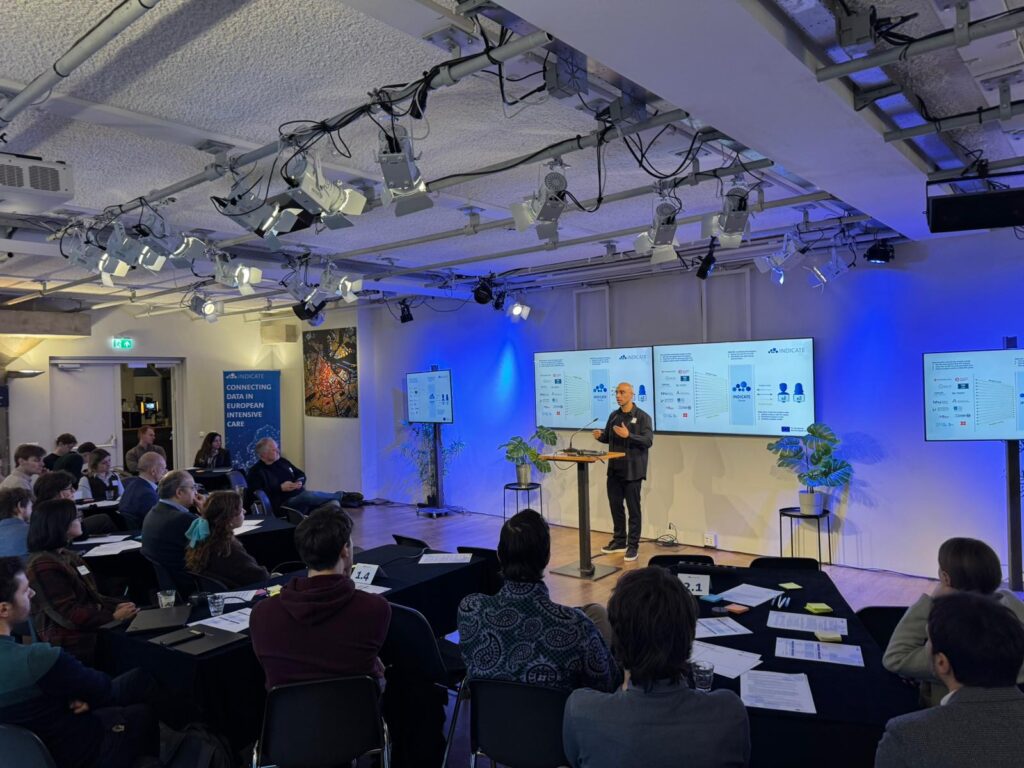
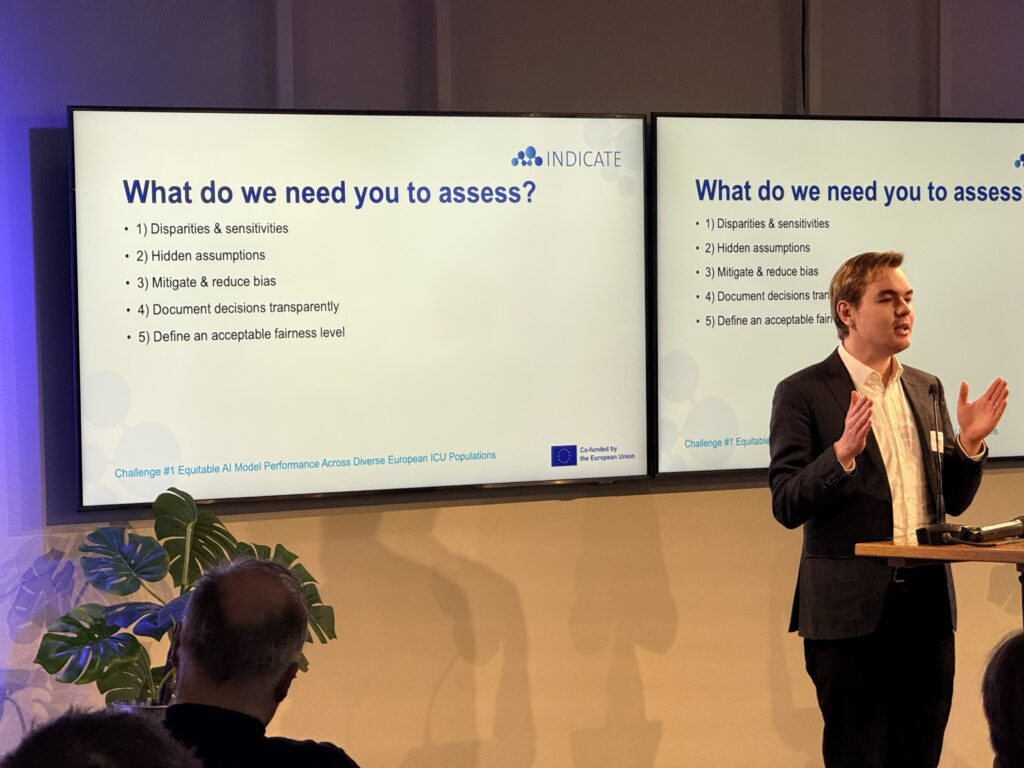
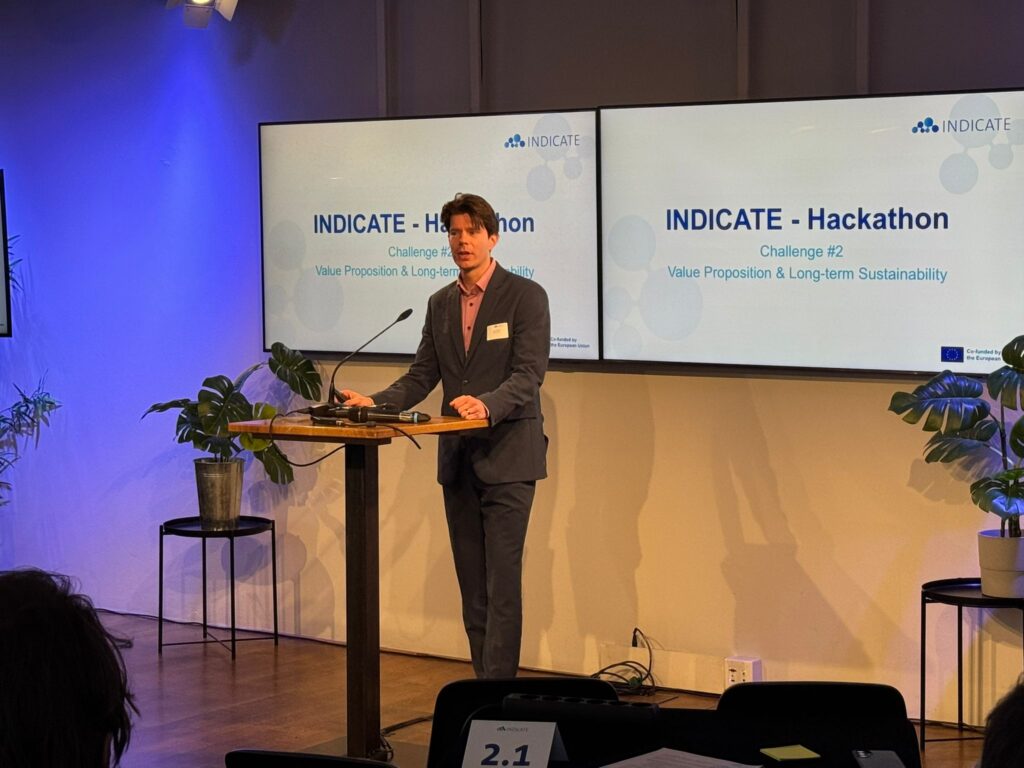
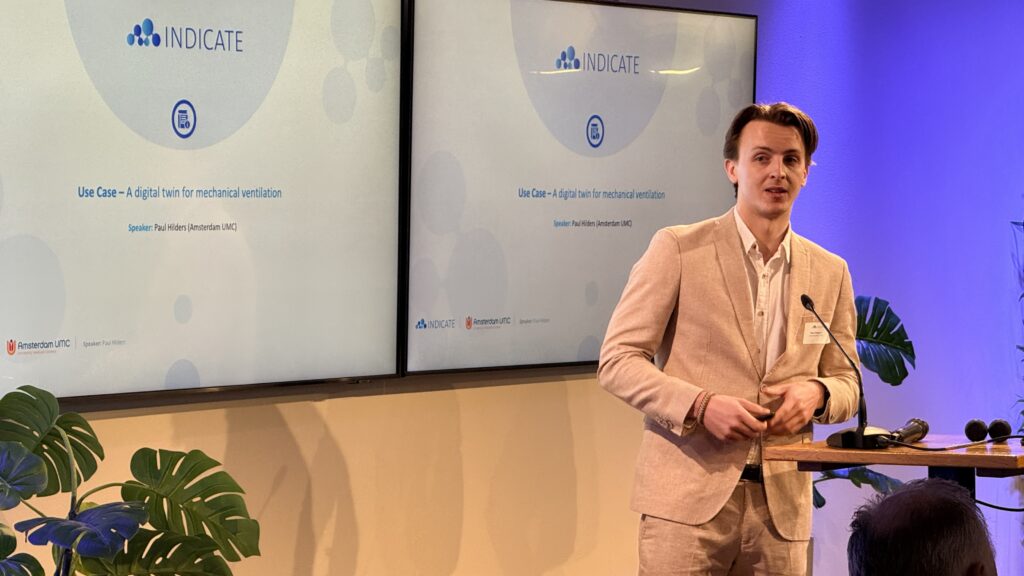
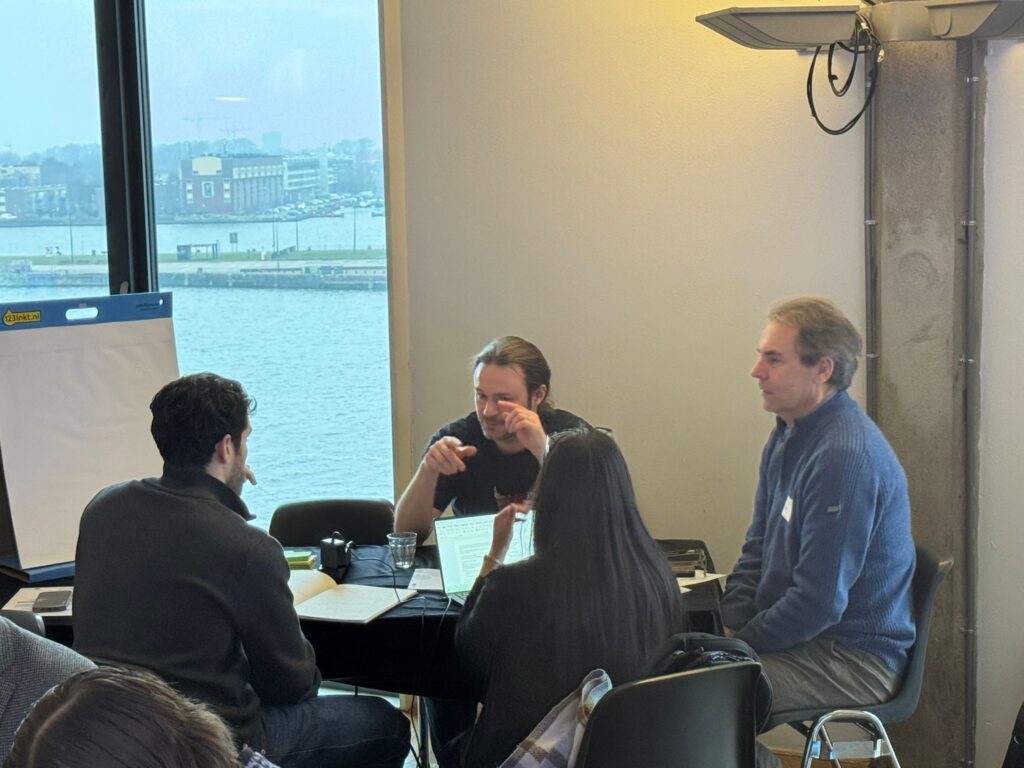
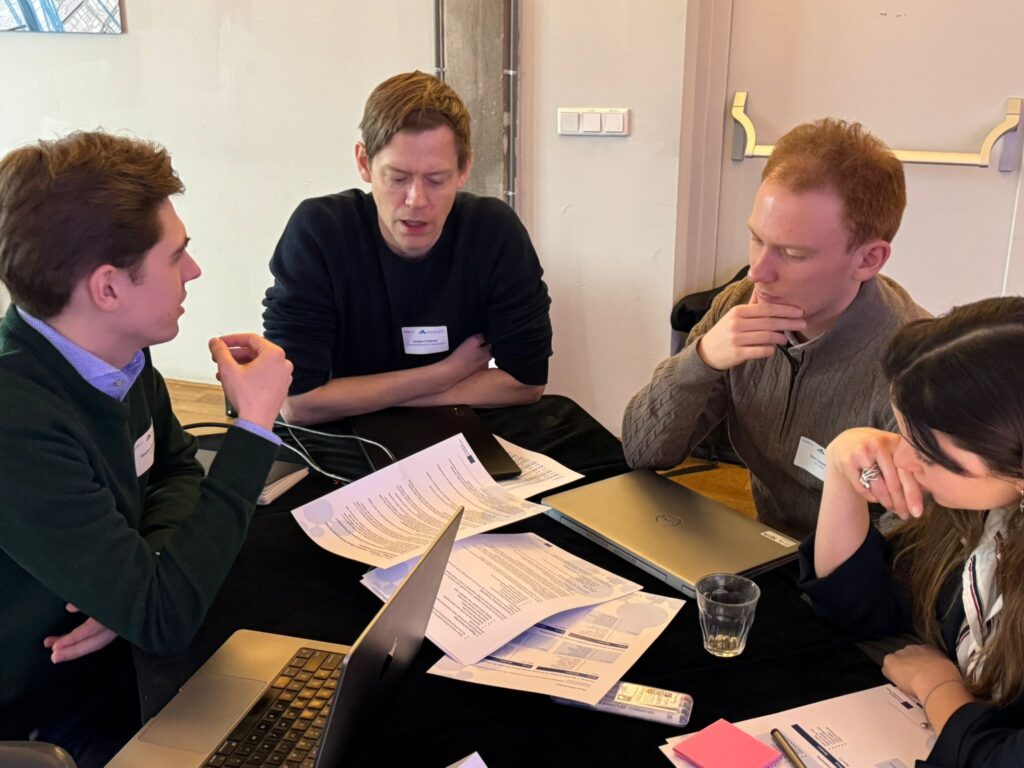
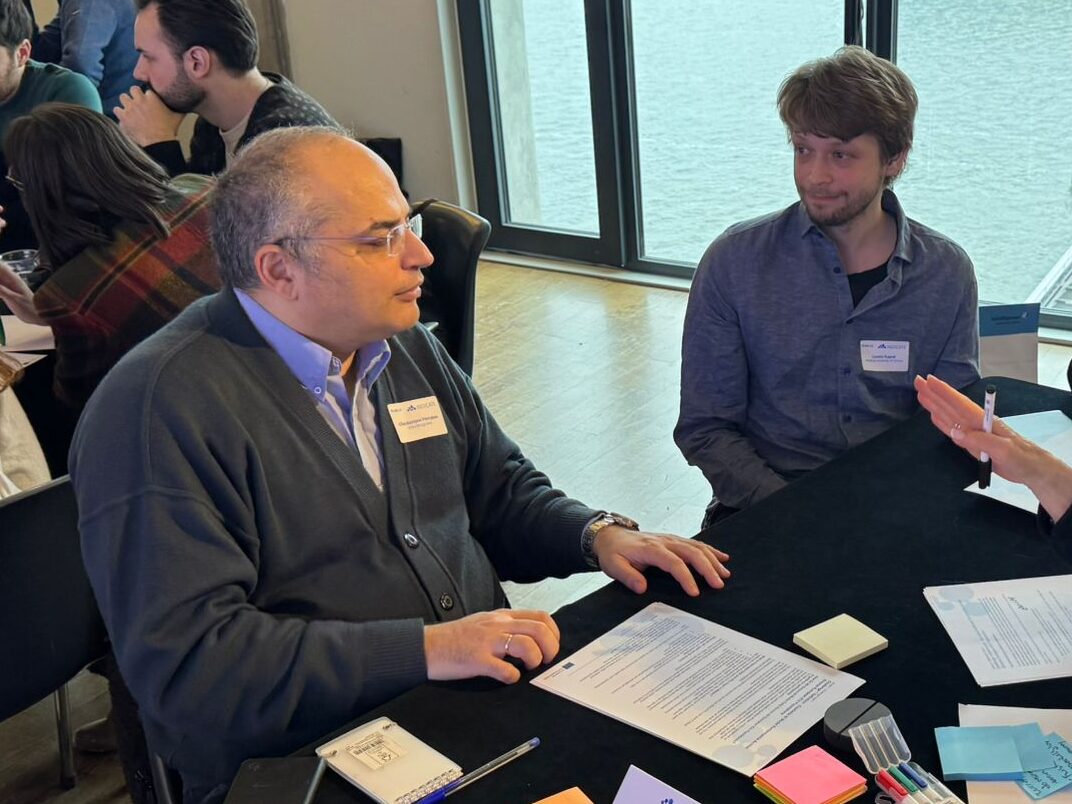
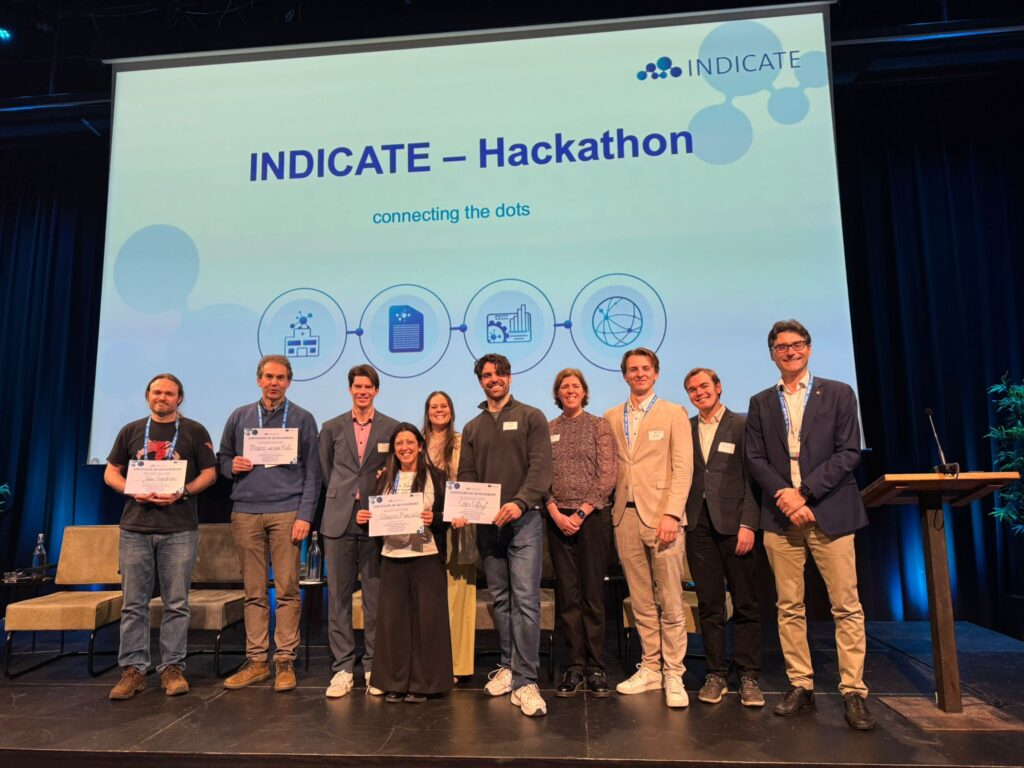
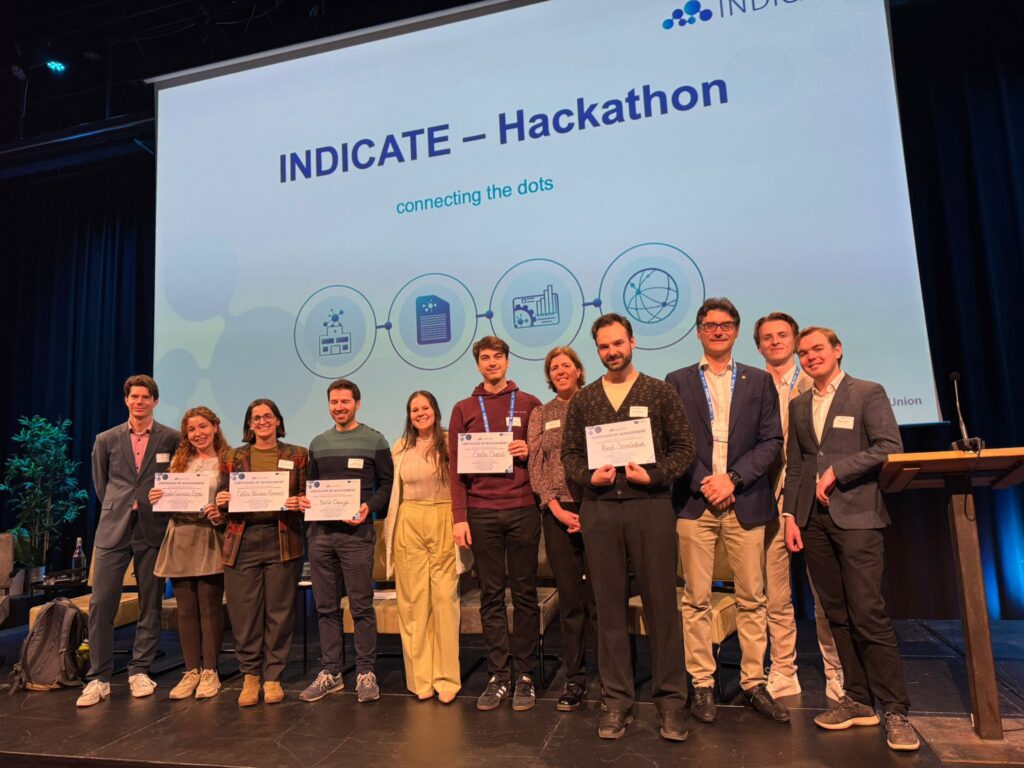
ICU clinicians, engineers, and data scientists from across Europe gathered for the INDICATE Hackathon, exploring how federated ICU data can improve patient care, drive equitable AI, and deliver real-world clinical value. 

Two main challenges guided the teams:

  1. Value Proposition & Long-term Sustainability
  2. Equitable AI Model Performance Across Diverse European ICU Populations

Interview with INDICATE co-lead Michel van Genderen on De Nieuws BV at NPO Radio 1

Recently, INDICATE co-lead Michel van Genderen shared his expertise on the Dutch Radio national news program De Nieuws BV (BNN VARA)at NPO Radio 1, discussing the challenges of implementing artificial intelligence in healthcare.
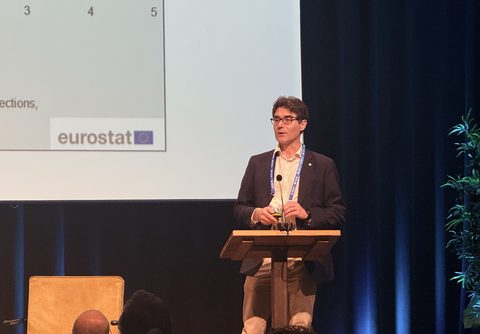
Maurizio Cecconi speaks on innovation during the ESICM Intensive Care Innovation conference

During the recent ESICM event, Intensive Care Innovation, Maurizio Cecconi delivered a talk titled “Innovations: what should they mean for Intensive Care.” He explored the role of technological and organizational innovation in shaping the future of intensive care, highlighting clinical impact, implementation, patient value and the INDICATE Project.


INDICATE Round Table on Federated Infrastructures in Medical Research

On 5 March 2026, the hybrid INDICATE Round Table titled “Challenges and opportunities of federated infrastructures in medical research” will take place. The event will bring together leading experts to exchange experiences between EU projects, discuss challenges and lessons learned, and foster networking opportunities. The programme will be moderated by INDICATE Co-PI’s Michel van Genderen and Christian Jung.

Michel van Genderen appointed Adjunct Professor at Duke University

We are delighted to announce that Michel van Genderen, Principle Investigator (PI) of the INDICATE project, has been appointed Adjunct Professor in the Department of Biostatistics and Bioinformatics at Duke University School of Medicine. In this role, he will focus on the global alignment of responsible AI development and implementation in healthcare.


INDICATE Data Provider Onboarding – Design Workshop – March 26 – 27

On March 26 till March 27, INDICATE will host the INDICATE Data Provider Onboarding Meeting at the ESICM Headquarters in Brussels, Belgium.

This two-day workshop will focus on translating INDICATE’s vision into practical implementation, guiding data providers through the onboarding process and the pathway toward federated ICU research participation. The sessions will include hands-on discussions, technical alignment, and collaborative planning to ensure smooth integration within the INDICATE framework.



INDICATE Training Programme – Data Enablement & Data Model

We are happy to invite you to the five sessions of the INDICATE Training Programme on Data Enablement & Data Model.

This training programme aims to support all consortium members in using the INDICATE infrastructure effectively, correctly, and securely! The programme will give you a solid grounding in the INDICATE onboarding framework, interoperability, and the OMOP data model, along with practical skills in ETL workflow design, data quality checks, and metadata/cataloguing to support secure, reusable data within INDICATE.

Session dates
All sessions will be held from 14.00 – 16.00 (CEST) via Zoom.

  • March 30 – Session 1 | Onboarding Introduction & Data Model 
  • April 9 – Session 2 | Interoperability, OMOP & Vocabularies
  • May 7 – Session 3 | ETL – Workflow
  • May 21 – Session 4 | ETL – Best practices, common pitfalls, and Data Provider Handbook references
  • June 17 – Session 5 | Metadata standards, cataloguing workflows, and examples of best practices


Bert Cappelle

University Hospital of Ghent

My name is Bert Cappelle. I work as a data engineer at the University Hospital of Ghent (UZ Gent) within the Data Science Institute.

My work focuses on enabling and facilitating clinical research by making complex healthcare data accessible and usable for non-technical users, such as clinicians and researchers.I design and maintain data pipelines, data models, and validation workflows that allow research teams to work with high-quality data without needing deep technical expertise. I am also the technical representative for UZ Gent within the Federated Health Innovation Network (FHIN), which supports federated learning for relevant clinical use cases. In addition, I am leading implementation and maintenance of the Observational Medical Outcomes Partnership (OMOP) Common Data Model (CDM) at UZ Gent.

Find out more about Bert’s contributions to INDICATE in his complete bio.

Get in contact!
e: bert.cappelle@uzgent.be


Share your bio with us!

We are keen to post a bio of everyone involved in this project on the website and in the newsletter as well!

Please share:

  • Who am I?
  • What do I do?
  • What am I up to during INDICATE? Connected to which WP? Which cases do I work on?
  • What motivates me to be part of INDICATE?
  • What do I expect to accomplish within INDICATE?
  • How does my background or expertise contribute to the goals of INDICATE?

Please share your bio and picture with: info@indicate-europe.eu


INDICATE Internal Events


Mar 5

INDICATE Round Table

Challenges and opportunities of federated infrastructures in medical research

Time: 11.00 – 14.00 (CET)
Location: Moorenstraße 5, 40225 Düsseldorf, Germany


Mar 17

Communication Network

This meeting is organized by WP5. 

Time: 12.30 pm (CET)
Location: Online
Register via: info@indicate-europe.eu


Mar
26-27

INDICATE Data Provider Onboarding 

Design Workshop | From Vision to Implementation: Your Journey to Federated ICU Research 

Location: ESICM Headquarters, Brussels, Belgium
Time: 09.00 – 17.00 (CET)

For the full programme, please visit our website.


Mar 30

INDICATE Training Programme Data Enablement & Data Model

Session 1 | Onboarding Introduction & Data Model 

Time: 14.00 – 16.00 pm (CEST)
Location: Online via Zoom


Apr 9

INDICATE Training Programme Data Enablement & Data Model

Session 2 | Interoperability, OMOP & Vocabularies

Time: 14.00 – 16.00 pm (CEST)
Location: Online via Zoom


May 7

INDICATE Training Programme Data Enablement & Data Model

Session 3 | ETL – Workflow

Time: 14.00 – 16.00 pm (CEST)
Location: Online via Zoom


May 21

INDICATE Training Programme Data Enablement & Data Model

Session 4 | ETL – Best practices, common pitfalls, and Data Provider Handbook references

Time: 14.00 – 16.00 pm (CEST)
Location: Online via Zoom


Jun 10

Training & Education Workgroup

In-person meeting

Location: ESICM Headquarters, Brussels, Belgium


Jun 17

INDICATE Training Programme Data Enablement & Data Model

Session 5 | Metadata standards, cataloguing workflows, and examples of best practices

Time: 14.00 – 16.00 pm (CEST)
Location: Online via Zoom


Sept 8

Communication Network

This meeting is organized by WP5. 

Time: 12.30 pm (CEST)
Location: Online
Attend the meeting via: info@indicate-europe.eu


Sept
14-16

INDICATE Consortium Meeting 

Save the date!

Location: Rome, Italy
More details will be announced soon.


Dec 2-3

Training & Education Workgroup

In-person meeting

Location: Athens, Greece


External events

Apr
18-20

OHDSI Europe Symposium 2026

Location: SS Rotterdam, The Netherlands

The seventh European OHDSI Symposium ‘Continuous Collaboration for Living Evidence Generation’ will be held in Rotterdam (NL) on April 18-20, 2026, again at an inspiring location, the Steam Ship Rotterdam. The symposium is a platform to share results and ideas about the use of the OMOP-CDM, tool development, and future research.

The main symposium will take place on Monday, April 20th, 2026 on the ship SS Rotterdam. Saturday, April 18th, and Sunday, April 19th will be dedicated to workshops and workgroup meetings, to be held in the Education Centre of the Erasmus University Medical Center, Rotterdam, The Netherlands.  


Do you have a special request? Would you like to share news or a publication? Would you like to be (digitally) connected to a certain person? Did you speak or went to an event related to INDICATE or INDICATE-subjects? Please feel very welcome to share your questions or input with: info@indicate-europe.eu

When sharing your news, please make sure to attach your photos/images or figures and always make sure when people are visible, you have their permission to use the pictures.

Below with the format you can use to share your news with us: 

  • What is the purpose of your news? 
  • What title can we use?
  • Who attended (names, roles, if related to INDICATE meetings/events)?
  • What were the main topics discussed or key findings?
  • Were any follow-up actions or appointments agreed upon?
  • Is there anything special or noteworthy?

Deadline for next newsletter submissions:

  • 17 April, 2026
  • 12 June, 2026
  • 11 September, 2026
  • 6 November, 2026

Upcoming deadline: May 2026

Milestones

WP4 | MS11Release of closed beta version of the core services (KPMG)
WP6 | MS17Public release of the Quality Benchmark portal for ICUs across Europe (UMG)

Deliverables

WP3 | D3.2Roadmap for the sustained operations and governance of
the ICU data infrastructure, including on-boarding and off-boarding
plan and business model (KPMG)
WP4 | D4.2Closed beta of the core services and data federation network,
metadata catalogue, and centralised marketplace for services (KPMG)
WP5 | D5.2MVP of the collaborative knowledge transfer platform (Cradeq)
WP6 | D6.3MVP Quality Benchmarking (Charité)

Michel van Genderen
Co-lead INDICATE
e: m.vangenderen@erasmusmc.nl

Christian Jung
Co-lead INDICATE
e: Christian.Jung@med.uni-duesseldorf.de

Lisanne van Prooyen Schuurman
Project Manager
e: e.vanprooyenschuurman@erasmusmc.nl

Jan van den Brand
Technical Lead
e: a.vandenbrand@erasmusmc.nl


Logo Assistance Publique Hospitaux de Paris
Bērnu klīniskā universitātes slimnīca Valsts Sia (Children’s Clinical University Hospital)
Logo Cradeq B.V.
logo Vereniging EIT Health België-Nederland
Logo Erasmus Universitair Medical Center Rotterdam
European Federation of Critical Care Nursing Association
Logo Fraunhofer Gesellschaft Zur Forderung der Angewandten Forschung
Logo Heinrich-Heine-Univeristaet Duesseldorf - universiteitsziekenhuis Dusseldorf
Logo HELLENIC SOCIETY OF INTENSIVE CARE MEDICINE
Logo Servicio Madrileno de Salud (Hospital Universitario 12 de Octubre)
Logo logo ervicio Andaluz de Salud (Virgen del Rocío University Hospital)
Logo INSTITUT CATALA DE LA SALUT
Logo INSTITUT NATIONAL DE LA SANTE ET DE LA RECHERCHE MEDICALE
Logo Region Stockholm (Karolinska University Hospital)
logo KPMG Advisory NV
Logo Medizinische Universitat Innsbruck
Logo Medizinische Universitaet Wien
Logo Paracelsus Medizinische Privatuniversitat Salzburg
Logo Sorbonne Université (INSERM-SU)
Logo Universitair Medisch Centrum Utrecht
Logo Ghent University Hospital
Logo Logo Univerisitatsmedizin Greifswald Kopperschaft Des Offentlichen Rechts
Logo Université de Rennes

Endorsed by:


Get in contact via e-mail:
Email address: info@indicate-europe.eu
Email address: support@indicate-europe.eu
Email address: indicate@erasmusmc.nl



INDICATE Data Provider Onboarding – Design Workshop

On March 26 till March 27, INDICATE will host the INDICATE Data Provider Onboarding Meeting at the ESICM Headquarters in Brussels, Belgium. The two-day event will focus on moving from vision to implementation in federated ICU research.

Participants will learn about INDICATE’s mission and how it aligns with European healthcare priorities, as well as how federated data works to protect data sovereignty. The programme will also cover the benefits, risks, and potential returns for institutions joining the initiative.

A key part of the meeting is guiding organisations through the full onboarding process for Data Providers, including legal agreements, data preparation and ETL workflows, required software and infrastructure, and the essential organisational roles involved. By the end of the event, attendees will have developed a practical implementation roadmap outlining milestones, deliverables, resource needs, and timelines for onboarding their institution.

Programme Day 1 – Understanding the Landscape

Theme: What is INDICATE and what does success look like? 

09.00 – 09.30Registration & Welcome Coffee
09.30 – 11.00Module 1: The INDICATE Mission
Interactive lecture

Why federated ICU data matters for European healthcare 
11.00 – 11.15Coffee Break
11.15 – 12.45Module 2: Federated Data Demystified
Technical Demo

See federated analytics in action
12.45 – 13.45Lunch 
13.45 – 15.15 Module 3: The Onboarding Blueprint
Case Study Analysis

Understanding the journey from commitment to production
15.15 – 15.30Coffee Break
15.30 – 17.00Module 4: Where Are You on the Journey?
Maturity Assessment

Assessing your institution’s digital readiness
17.00 – 17.15Day 1 Wrap-up & Reflections

Programme Day 2 – Planning Your Implementation

Theme: How do we make this happen at our institution?

09.00 – 09.15Welcome & Day 1 Recap
09.15 – 12.15Module 5: The Onboarding Simulation
Tabletop Workshop 

Experience the 12-month onboarding journey 

10.45 – 11.00 – Coffee Break during Simulation
12.15 – 13.15Lunch
13.15 – 15.30Module 6: Your Implementation Roadmap
Strategic Planning

Building your institution’s concrete action plan
15.30 – 15.45Coffee Break
15.45 – 16.45Module 7: Next Steps & Commitments
Action Planning 

What happens after we leave this room?
16.45 – 17.00Closing & Evaluation

INDICATE Round Table –  Challenges and opportunities of Federated Infrastructures in Medical Research

On 5 March 2026, the hybrid INDICATE Round Table titled “Challenges and opportunities of federated infrastructures in medical research” will take place. The event will bring together leading experts to exchange experiences between EU projects, discuss challenges and lessons learned, and foster networking opportunities. The programme will be moderated by INDICATE Co-PI’s Michel van Genderen and Christian Jung.

The programme will start with welcome remarks from Malte Kelm, Director at the University Hospital Düsseldorf, and John Laffey, Research Chair of the European Society of Intensive Care Medicine. The welcome will be followed by short project pitches from key European initiatives, including:

Following the pitches, a panel discussion will explore the main challenges, lessons learned, and opportunities for federated infrastructures with Patrick Rockenschaub, including a presentation of Genome of Europe by Helen Ray-Jones and Jeroen van Rooij.

The round table will conclude with reflections on strengthening collaboration across Europe, fostering dialogue among a select group of researchers, clinicians, and project leaders working at the forefront of data-driven medical research.

Find a detailed overview of the programme below

11.00 – 11.15Welcome by Malte Kelm, Director at the University Hospital Düsseldorf,
and John Laffey, Research Chair of the European Society of Intensive
Care Medicine (ESICM). 

Moderated by Christian Jung & Michel van Genderen (INDICATE PI’s)
11.15 – 12.15Presentations of all projects
INDICATE – presented by Jan van den Brand (Technical Lead INDICATE)
NUM Rapid – presented by Falk von Dincklage
Eucare – presented by Björn-Erik Ole Jensen
Irish Critical Care Clinical Trials Network – presented by Bairbre McNicholas
Num SN CritCare – presented by Patrick Meybohm
12.15 – 12.30Coffee break
12.30 – 13.45Intro | A summary of the top challenges and lessons learned
by Patrick Rockenschaub

Panel Discussion | Discussion of challenges and lessons learned 

Presentation of Genome of Europe by Helen Ray-Jones and Jeroen van Rooij
13.45 – 14.00Closing – Concluding words by Michel van Genderen (INDICATE PI)

Maurizio Cecconi speaks on innovation during the ESICM Intensive Care Innovation conference

During the recent ESICM event, Intensive Care Innovation, Maurizio Cecconi delivered a talk titled “Innovations: what should they mean for Intensive Care.” He explored the role of technological and organizational innovation in shaping the future of intensive care, highlighting clinical impact, implementation, patient value and the INDICATE Project.

Maurizio is a member of the INDICATE External Expert Advisory Board and also participated as a jury member during the INDICATE Hackathon organized taking place before the start of the ESICM Intensive Care Innovation forum. His engagement underlines the strong connection between international expertise, innovation, and the goals of the INDICATE programme.

Maurizio: “What stayed with me most was the quality of the conversations: clinicians, engineers, data scientists, industry, and innovators genuinely sitting at the same table to discuss how innovation, AI, and digital tools can actually improve patient care, not in theory, but in real life, but we need to work together to achieve a full implementation at the bedside. From crisis preparedness to everyday intensive care, from data infrastructure to decision support, one message was clear: innovation only matters if it is actionable and scalable.”

Read more

INDICATE Hackathon: Building the future of European Intensive Care Data

ICU clinicians, engineers, and data scientists from across Europe gathered for the INDICATE Hackathon, exploring how federated ICU data can improve patient care, drive equitable AI, and deliver real-world clinical value. 

Two main challenges guided the teams:

  1.  Equitable AI Model Performance Across Diverse European ICU Populations
  2. Value Proposition & Long-term Sustainability

The morning started with a keynote from Michel van Genderen, INDICATE PI, providing us with valuable insights about federated ICU data across Europe and the role of AI in improving patient care: “Trust is key: the performance of AI models is limited when trained on limited datasets. Research has shown that sociodemographic factors, like a patient’s ethnicity, can affect AI outputs. We must ensure that the AI we build accounts for these factors responsibly.”

After the Use-Case presentation by INDICATE Use Case expert Paul Hilders (Amsterdam UMC) and the challenges presented by Stefan Buijsman (TU Delft) and INDICATE Technical Lead Jan van den Brand (Erasmus MC) the morning hack session got started! The teams worked intensively on the challenges. Mentors supported teams as they explored technical, ethical, regulatory, and clinical dimensions. Over lunch, expert feedback sessions helped teams sharpen and improve their concepts before pitch prep began.

In the afternoon, participants refined their storytelling, and took the stage during the ESICM Intensive Care Innovation, to pitch their solutions to the jury concluding Jan van den Brand, Stefan Buijsman, Hayley Every, Paul Hilders and Maurizio Cecconi.

A big congratulations to the winning team of Challenge 1: Boris Delange, Celia Alvarez Romero, René Schmiedler, Stefan Bartos and Maria Gonzalez Lopez. Their solution was all about how to overcome bias through transparent AI. 

Also a big congratulations to the winning team of Challenge 2: Giovanna Mercurio, John Gardner, Marcel van der Kuil and Colm Coffey. Their solution offered a unique value proposition by enabling a self-sustaining ecosystem in which all stakeholders – from bedside to industry – derive value from shared, privacy-preserving data.

The hackathon was moderated by Yolanda Sanchez and organized by the INDICATE Work Package 5 team. 

A huge thank you to all participants, mentors, and jury members for building the future of responsible, equitable AI in intensive care.

INDICATE HACKATHON – 5 February 2026

Step into the future of Intensive Care innovation by participating in our Hackathon on ICU federated data usage. This dynamic event invites ICU clinicians, engineers, data scientists, and startups from the INDICATE and EIT Health network to co-create a vision for a global, real-time federated data infrastructure. 

Together, we’ll explore how to securely link ICU data across national and EU systems using anonymization techniques and federated learning. While ensuring full compliance with EU regulations and the AI Act. Participants will gain hands-on experience implementing Equitable AI Models Across Diverse European ICU Populations​ and help us build the Value-based proposition of Federated ICU Data Usage, guided by expert mentors. Expect rich cross-pollination of ideas and help shape ethical frameworks for deploying clinical and research algorithms.

Expert speakers


Our first expert speaker Dr. Stefan Buijsman, Associate Professor Responsible AI at TU Delft and member of the INDICATE Ethics Advisory Board, will focus on the first Hackathon topic of Equitable AI Model Performance Across Diverse European ICU Populations.


Paul Hilders, PhD Candidate at Amsterdam UMC, will present the Use Case Virtual digital twin of mechanical ventilation for the Hackathon.

The challenges

Participants will form teams and work intensively over a set period to complete a Problem-Solution Fit Canvas, a tool that facilitates problem analysis and translates it into actionable plans. Through close collaboration, teams will gain a comprehensive understanding of the multi-faceted challenges, which includes technology constraints, regulatory hurdles, resource access, and market demand. This will enable them to conceptualize effective solutions in response to the identified problem. They will also be asked to work on specific outcomes for their chosen challenge:  

  • Topic 1 challenge: Equitable AI Model Performance Across Diverse European ICU Populations 
  • Topic 2 challenge: Value-based Proposition & Long-term Sustainability 

Jury

The four jury members for the hackathon are:

Dr. Michel van Genderen, is ICU Expert and INDICATE Principal Investigator. Michel is an Intensivist and clinical scientist working at the intersection of critical care, data infrastructure, and responsible artificial intelligence.

Prof. Dr. Maurizio Cecconi, is ICU Expert and member of INDICATE External Expert Advisory Board. Maurizio is an anesthesiologist, intensive care specialist, and Chair of Anesthesia and Intensive Care Units at Humanitas Research Hospital in Milan, Italy.

Dr. Stefan Buijsman, is Equitable model and Ethics Expert and Associate Professor at TU Delft. At TU Delft he focuses on explainable AI as a researcher and as managing director of the TU Delft Digital Ethics Centre, a world-leading centre on the translation of ethical values to concrete design requirements. 

Dr. Paul Elbers, is Mechanical Ventilation (Use Case) Expert and Intensivist and Associate Professor of Intensive Care Medicine at Amsterdam UMC. His research is at the crossroads of artificial intelligence and intensive care medicine. 

Use Case – Virtual digital twin of mechanical ventilation  

This use case is dedicated to developing a virtual digital twin for critically ill patients, a process that involves numerous sequential decisions made every hour. This use case is particularly suited for reinforcement learning, which will be employed to determine the optimal treatment choices tailored to the specific conditions of individual patients at any given moment. 

A primary focus will be optimizing mechanical ventilation settings for treating respiratory failure. Crucial to this use case is the leverage of the MIMIC-EU dataset, as referenced in the INDICATE Use Case. The integration of this diverse and extensive dataset is key in customizing treatment decisions for a wide variety of patient profiles, thereby enhancing the generalizability of the developed models. 

Furthermore, supervised machine learning will be utilized to predict and prevent the need for reintubation and to guide clinicians on data collection for improved predictive accuracy. The outcomes of this work will be disseminated through scientific literature and a pre-print on the knowledge platform, facilitating the rapid exchange of best clinical practices across Europe.

Program

08.00 – 08.30Registration & Breakfast
08.30 – 08.40Welcome & Opening Remarks
08.40 – 09.00Keynote: Basics of Federated Data across EU, from AI Models
to sustainability
09.00 – 09.10Use Case presentation: Mechanical Ventilation Digital Twin
09.10 – 09.20Presentation of challenges
09.20 – 09.30Overview of the deliverables
09.30 – 12.00Hack Session: Ideation and Solution building (Mentors available)
12.00 – 13.10Feedback Lunch! 20min for a feedback session with experts and
50 minutes for feedback implementation lunch
13.10 – 13.20Presentation: How to better communicate your idea  
13.20 – 14.15Pitch Prep!
14.15 – 14.30Coffee break
14.30 – 15.50Reintegration with the ESICM Innovation Forum programme
15.50 – 16.50Team Pitches (6 teams – 5 minutes per team + short jury Q&A)
16.50 – 17.20Coffee break and jury deliberation
17.20 – 17.35Awarding Ceremony, Audience Award, Closing Remarks & Next Steps
17.35 – 18.35Reintegration with the ESICM Innovation Forum programme

Join us for this collaborative opportunity to discuss how to better implement the ICU federated data infrastructure on Thursday 5th of February from 8:00hrs to 17:00hrs in Amsterdam. Let’s build the future of ICU data. Secure, smart, and shared.

The Hackathon will be a part of the 2026 ESICM Intensive Care Innovation Forum.