News

Publiced on:
After yesterday’s reflections on two years of INDICATE, today was all about putting the vision into practice!
Prof. Dr. Christian Jung opened the second day of the INDICATE Consortium Meeting with a live demonstration of the INDICATE platform before moving on to the central question of the day: What is federated learning, and how to make it work across hospitals in Europe?.
Jan van den Brand took us through the federated data platform, how it works and the roadmap towards training the very first federated machine learning model on INDICATE infrastructure. The principle sounds simple, but has major implications for how we can collaborate: Data stays. Insights travel.
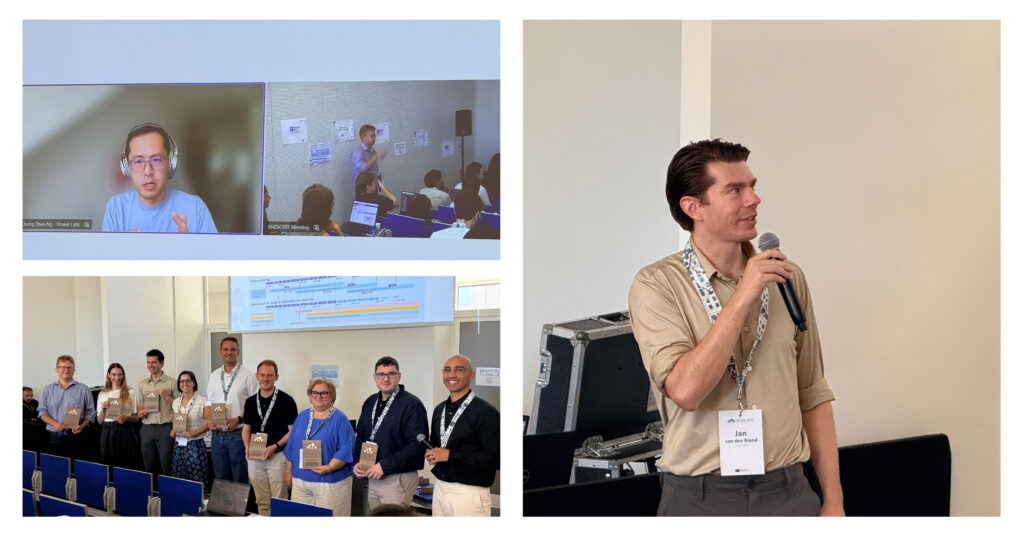
Dr. Chong Shen Ng of Flower Labs introduced Flower and showed us how collaborative AI works in practice. From the difference between centralised and decentralised AI to the architecture behind federated learning, his live demo gave us a look under the hood of the technology enabling this new way of working.
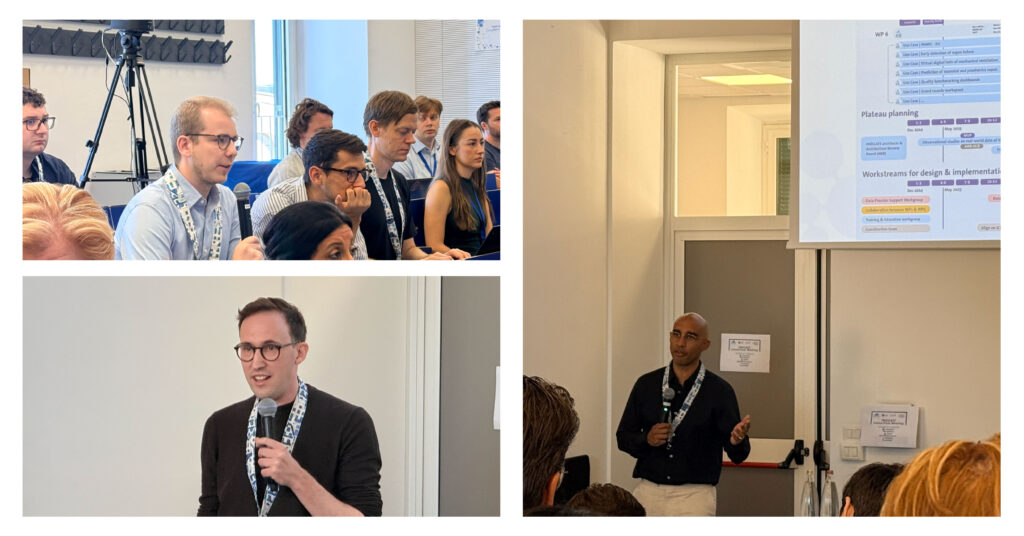
Joost Huiskens from Microsoft Netherlands brought another important perspective: “Clinicians do not interact with models, they interact with solutions”. If we want AI to improve daily clinical practice, we need to think beyond developing good models. We need solutions that are robust, resilient, sustainable and able to fit into real clinical environments. Not only now, but also in the future. We need to think about achieving sovereignty together.
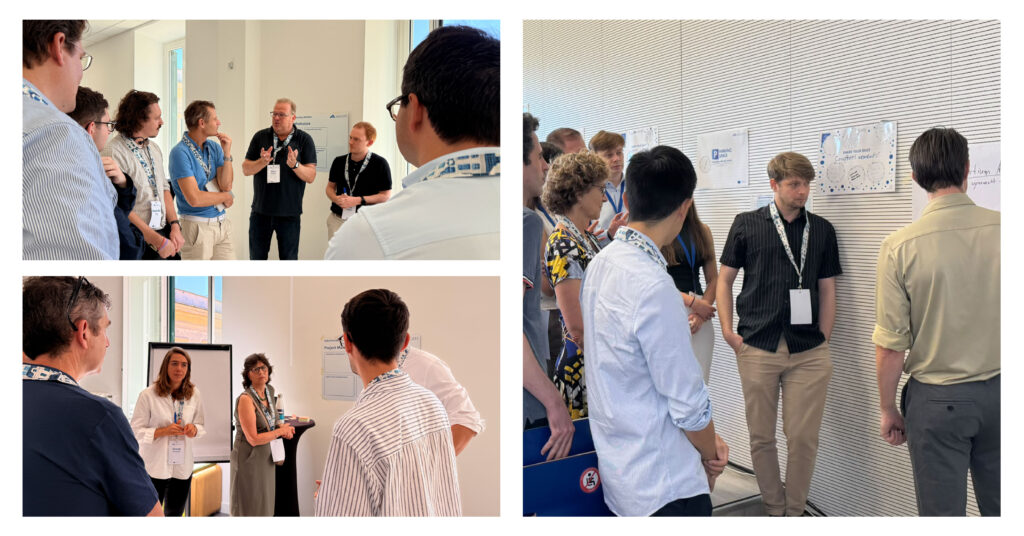
And that brings us to one of today’s second question: What does a hospital actually need to participate in INDICATE?
With Maarten Ligtenberg, Celia Alvarez Romero, Mark Driessen, Jan van den Brand and Bert Cappelle, we moved into a hands-on onboarding workshop. Participants worked through the steps required for both data providers and data users who will be using the tools, templates and guidance being developed within INDICATE. We collected experiences, identified obstacles and used feedback from our partners to make onboarding clearer and more scalable.
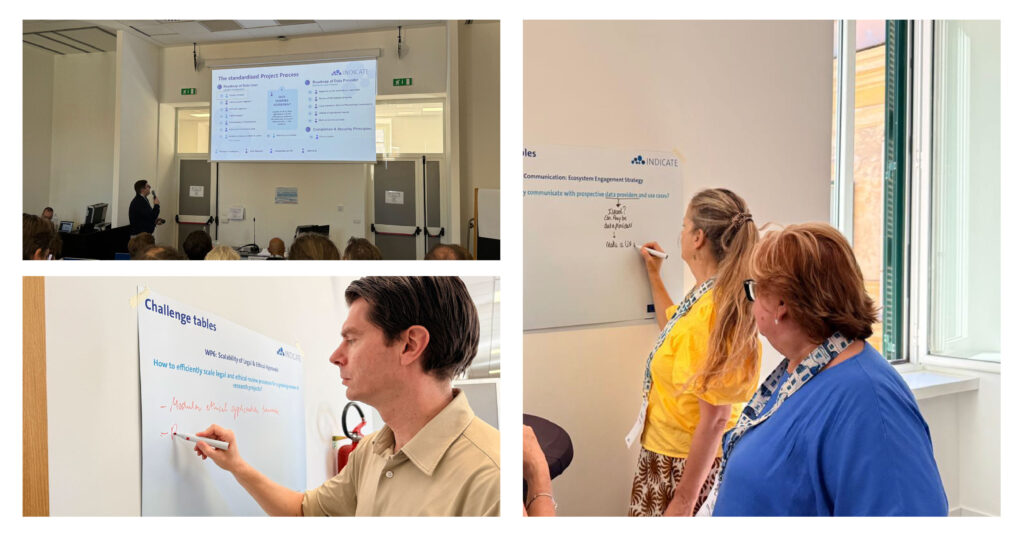
This afternoon, we went from onboarding an organisation to actually starting a research project on the INDICATE platform. Marcel Giemsa from University Hospital Düsseldorf guided us through the steps to onboard on the federated data platform of INDICATE.
First the organisation is onboarded, then its users can start creating and submitting research projects.The onboarding process was shared, tested and discussed with the consortium today. The feedback gathered will help us further improve the process before making the guidance available to future data providers and users.
We then explored key practical challenges through interactive challenge tables, covering topics from data dictionary validation and sandbox requirements to scalable legal and ethical approvals, educational needs and communication ecosystem engagement.
Building a European federated infrastructure is not just about making the technology work. It is also about making it clear and practical for organisations and researchers to actually use it.
More insights from our consortium meeting tomorrow on Day 3!
More news


