News

Publiced on:
Day 1 in Rome: Data stays, insight travels
Today we kicked off the INDICATE Consortium Meeting 2026 in Rome – Italy, hosted by Fondazione Policlinico Universitario Agostino Gemelli IRCCS.
We are halfway through the INDICATE project. Time to reflect on how far we have come and where we want to go next. From the soft launch in Brussels, to our first official consortium meeting in Seville in 2025, and now Rome, INDICATE has developed into a growing European community.
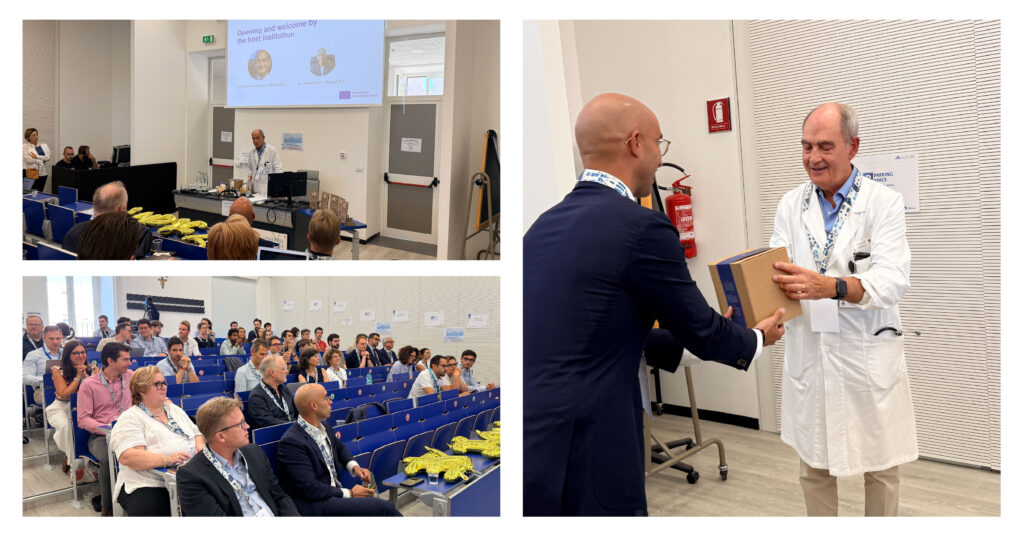
The main message of today was: “Data stays, insight travels.” Hospitals need to remain in control of their data. At the same time, better research and AI requires access to larger volumes of high-quality health data. INDICATE’s federated infrastructure is designed to bring those two needs together.
Prof. Dr. Dr. Christian Jung, INDICATE PI, reflected on the progress made during the first half of the project and shared some of the achievements so far.
Dr. Michel van Genderen highlighted that INDICATE is not just about building a product or a platform. It will work because we are building a community and we can only achieve our ambitions if we do it together.
Our work is part of a much bigger European ambition.
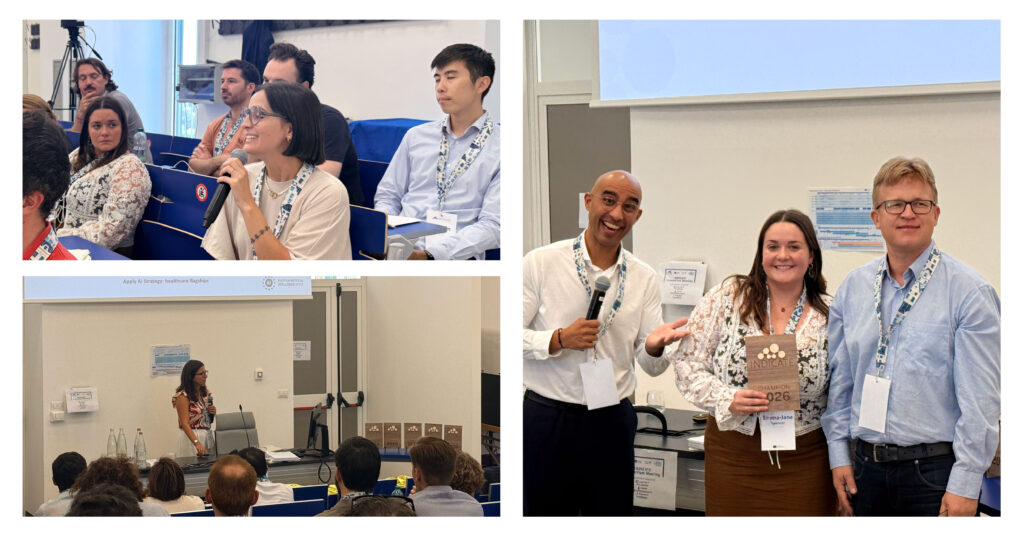
Our EU Project Officer Erica Martinelli shared the European perspective on AI, with a clear objective: “Make Europe the AI continent in the world!” It requires computing capacity, appropriate regulation, common European Data Spaces and AI skills for healthcare professionals, and combining innovation with trust.
We also received valuable perspectives from our external experts.
Emma-Jane Spencer, from our External Ethics Advisory Board, challenged us to keep ethics at the centre as the technology develops with continued attention to privacy, bias, explainability, data diversity, patient involvement and governance.
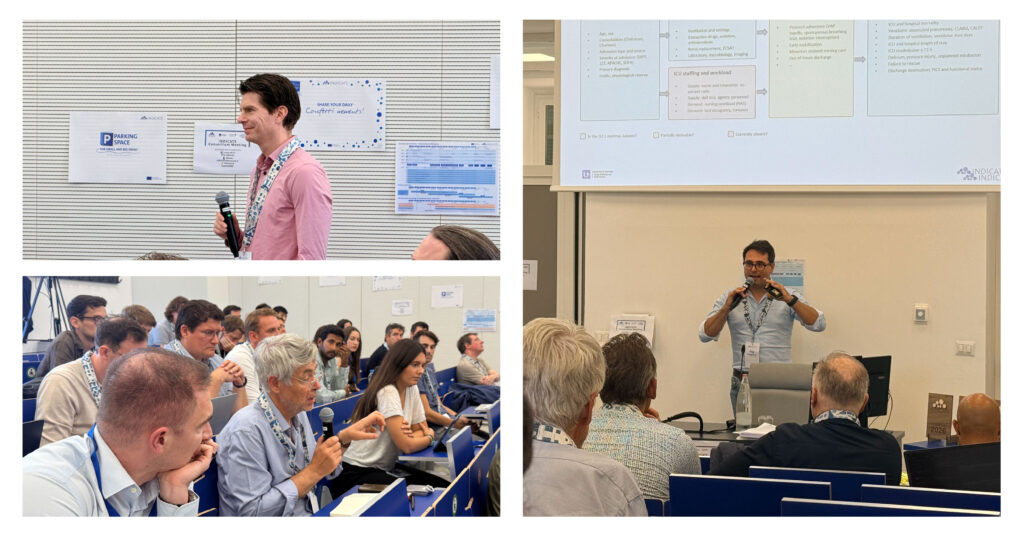
From Prof. Filip Haegdorens we heard that data on staffing and workload can provide crucial insights into quality of care and patient outcomes and should be added to the INDICATE data dictionary. @Michael Beil challenged us to think about how AI will change clinical decision-making and workflows.
And David van Laere brought the discussion back to the bedside. Ultimately, AI models need to become tools clinicians can actually use. As he put it: “Hospitals, data infrastructures, and companies need to work together to create an ecosystem where risks, revenue and success are shared, because ultimately we all want the same: to save and improve patients’ lives.” That is a powerful reminder of where all this work needs to lead.
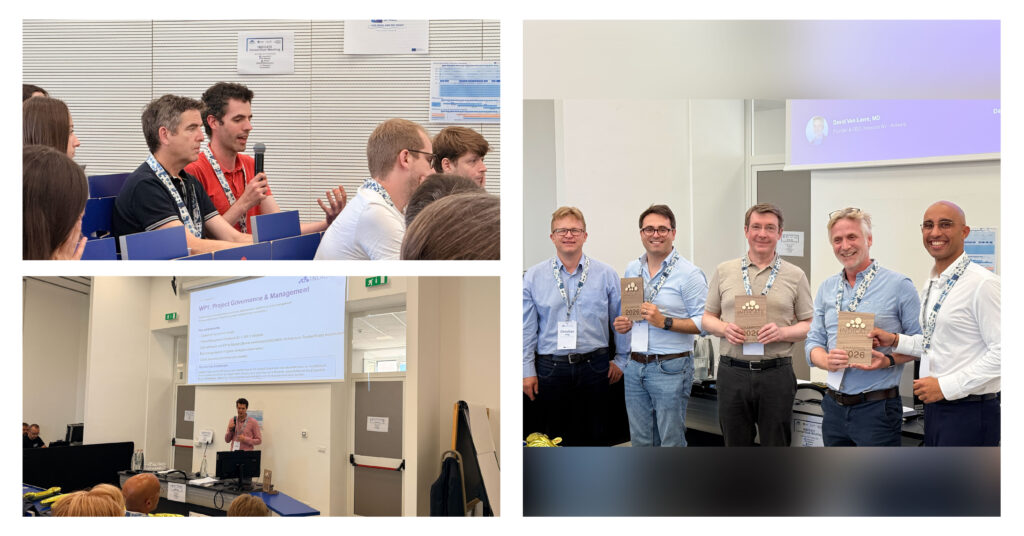
Finally, our Work Package Leads shared what has already been achieved across INDICATE from common data models to legal and ethical frameworks, sustainable governance, a user portal and technical infrastructure to run federated analyses, education and communication, and our clinical use cases as demonstrators.
Just as valuable were the lessons learned: pilot early and often, coordinate across work packages, support data providers, recognise dependencies and never underestimate the importance of data quality.
🎉 And after reflecting on two years of progress, there was also a moment to celebrate what we have achieved together, celebrating the confetti moments of the day! A fitting way to mark how far this community has come.
Tomorrow, we move from reflection to implementation: How can we make the infrastructure sustainable beyond the end of the project? Can it support other clinical areas beyond intensive care, such as cardiology and trauma? And how can we make it easier for new hospitals to join?
From data to insights. From infrastructure to clinical impact. On to Day 2!
More news


